Hey there, fellow health enthusiasts and curious minds!
Ever wondered about the hidden complexities behind your daily prescriptions? As someone who’s spent years navigating the intricate world of medications, I can tell you there’s so much more to it than just filling a bottle.
One critical area that always keeps pharmacists on their toes, and frankly, saves lives, is the meticulous analysis of drug interactions. It’s a fascinating, ever-evolving field, especially with new medications and increasing polypharmacy—where patients take multiple drugs simultaneously—making things even more challenging.
With advancements in AI and data analytics, we’re seeing some truly groundbreaking shifts in how we safeguard patients. These tools are becoming indispensable, helping us spot potential dangers faster and more accurately than ever before.
It’s truly a game-changer for patient safety and optimizing treatment outcomes. Ready to uncover the secrets pharmacists use to keep you safe?
Let’s dive deep into the world of pharmacist drug interaction data analysis and discover how cutting-edge technology is transforming healthcare.
The Silent Guardians: Unveiling Drug Interaction Dangers
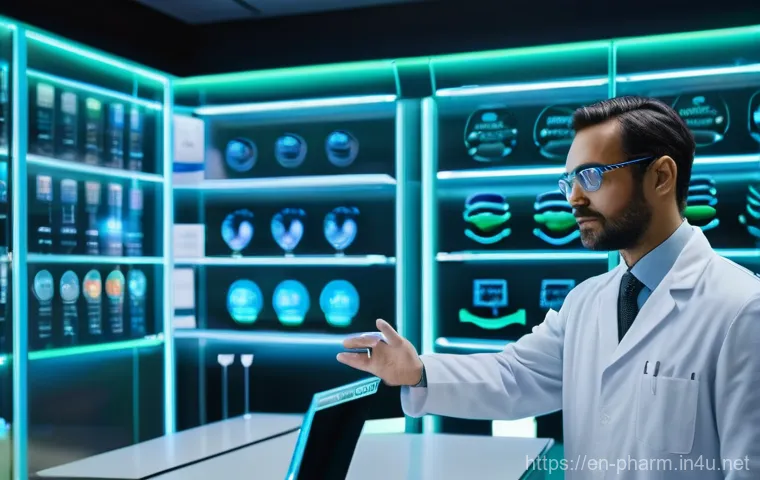
As pharmacists, we often feel like medical detectives, constantly on the lookout for hidden dangers lurking within seemingly innocent prescriptions. It’s not just about dispensing pills; it’s about understanding the complex symphony of chemical reactions that play out inside the human body when multiple medications are introduced. I remember one case early in my career where a patient was prescribed a common antidepressant alongside a new heart medication. On paper, they looked fine, but digging deeper into their medication history and considering their unique physiology, I spotted a red flag. The combination, if unchecked, could have led to a serious cardiac event. This kind of vigilance is what defines our role—we’re the last line of defense, often catching subtle interactions that could have devastating consequences. It truly is a high-stakes game of observation and expertise, where every detail matters, and the health of our patients hangs in the balance. It’s a huge responsibility, but honestly, it’s what makes the job so incredibly rewarding.
Decoding the Medicine Cabinet Maze
Navigating a typical medicine cabinet these days feels like traversing a complex maze, doesn’t it? With people often seeing multiple specialists for various conditions, it’s not uncommon to find a handful, or even a dozen, different prescriptions sitting on the shelf. Each one, while beneficial on its own, has the potential to interact with another in unforeseen ways. Think about it: that common heartburn medication might reduce the absorption of a crucial antifungal, or a seemingly benign over-the-counter painkiller could dangerously thin the blood when combined with a prescribed anticoagulant. My colleagues and I are trained to look beyond the individual drug and consider the entire pharmacological landscape of a patient. We’re constantly updating our knowledge base, using sophisticated databases, and sometimes, just plain old gut feeling derived from years of experience to identify these potential conflicts. It’s a dynamic puzzle, and honestly, the satisfaction of solving it and knowing you’ve kept someone safe is immense.
When Good Drugs Go Bad: The Chemistry of Conflict
It’s fascinating, and sometimes a little scary, to think about the intricate chemistry happening within us every time we take a medication. A drug interaction isn’t just one medication canceling out another; it can be a cascade of events. Sometimes, one drug might accelerate the metabolism of another, making it less effective. Other times, it might slow it down, leading to toxic levels. And then there are the synergistic effects, where two drugs, when combined, produce an effect far greater or more dangerous than either would alone. I’ve seen situations where a patient’s seemingly unrelated symptoms were, in fact, the direct result of a drug interaction, not a new underlying condition. Pinpointing these chemical conflicts requires a deep understanding of pharmacology, a keen eye for patient symptoms, and access to the latest data. It’s a continuous learning curve, always pushing us to understand the nuanced ways these powerful compounds interact. It’s truly a testament to the complexity of the human body and the medications we use to heal it.
Beyond the Basics: How Pharmacists Tackle Polypharmacy
The term “polypharmacy” might sound technical, but it’s essentially our everyday reality in the pharmacy: patients taking multiple medications, often for different chronic conditions. What might seem like a straightforward task—just dispensing what the doctor prescribed—is actually a tightrope walk. We’re constantly balancing the need for effective treatment with the risk of harmful interactions. It’s not just about prescribed drugs either; we have to account for over-the-counter remedies, supplements, and even herbal concoctions, which people often don’t think to mention. I recall a lovely elderly woman who was diligently taking her prescribed blood pressure medication, but she also religiously drank a specific herbal tea her neighbor swore by. Turns out, that tea was interfering with her blood pressure control, making her feel dizzy and weak. It took careful questioning and a thorough medication review to uncover the culprit. This situation really hit home for me—it highlighted how crucial our role is in looking at the whole picture, not just the individual pieces.
The Growing Challenge of Multiple Medications
With an aging population and advancements in treating chronic diseases, polypharmacy is more prevalent than ever. It’s not uncommon for a patient to be on six, eight, or even ten different medications daily. Each new addition to their regimen adds another layer of complexity and potential for interaction. From a pharmacist’s perspective, this means our analytical skills are constantly being honed. We’re not just checking for obvious clashes; we’re also considering subtle effects on organ function, potential side effects that mimic disease symptoms, and how a patient’s diet or lifestyle might influence drug efficacy. It’s a daunting task, but one that we embrace because we know the consequences of missing a critical interaction can be severe. It often involves cross-referencing information from different doctors, patient records, and sophisticated databases, all while maintaining a warm, approachable demeanor. This detailed, almost investigative work is absolutely essential to keeping our patients healthy and safe, allowing them to live their best lives without unnecessary medication complications.
Proactive Vigilance: Staying Ahead of the Curve
One of the most satisfying parts of my job is when I can proactively prevent a problem before it even starts. That’s where constant vigilance and staying updated on the latest pharmaceutical research really pay off. We don’t just wait for an interaction to manifest in a patient; we actively screen for potential issues the moment a new prescription comes in, or even during routine medication reviews. This often means spotting trends in new drug approvals, understanding how different drug classes interact, and even keeping an eye on new research coming out about supplements or herbal remedies. I’ve found that building a rapport with patients, encouraging them to share everything they’re taking—even seemingly innocuous vitamins—is incredibly helpful. It empowers them to be part of their own healthcare team. This proactive approach helps us catch potential problems early, sometimes before a patient has even left the pharmacy. It gives me a real sense of purpose, knowing we’re actively safeguarding health, rather than just reacting to issues.
The AI Revolution in Medication Safety
Honestly, the advancements in AI have been nothing short of a game-changer in our field. When I first started, analyzing drug interactions was a highly manual, often time-consuming process involving thick pharmacology textbooks and countless cross-references. Now, with AI and machine learning, we have incredibly powerful tools that can sift through vast amounts of data in seconds, identifying potential interactions that a human eye might easily miss. It’s like having a super-powered assistant who never sleeps and has access to every single piece of pharmaceutical knowledge ever documented. This technology isn’t replacing pharmacists; it’s empowering us, freeing up our time to focus on the more nuanced, patient-specific aspects of care. It’s allowed us to elevate our practice, making our work more efficient and, most importantly, making patient care safer and more precise than ever before. It’s truly exciting to be at the forefront of this technological shift.
Smart Algorithms: Your Digital Health Assistant
Imagine a digital assistant that knows every single medication, every possible side effect, and every documented interaction, and can process this information faster than you can blink. That’s essentially what smart algorithms are doing for us now. These AI-driven systems analyze a patient’s entire medication profile, including their medical history and sometimes even genetic markers, to flag potential risks. They can detect subtle patterns that indicate an increased risk of interaction, even when the individual drugs might appear harmless on their own. For instance, an algorithm might identify that a patient’s kidney function, combined with specific dosages of two drugs, puts them at a higher risk for toxicity, even if those two drugs don’t typically interact in healthy individuals. This level of personalized risk assessment was unimaginable just a few years ago. It allows us to intervene with greater precision, ensuring that treatments are not only effective but also incredibly safe for each unique individual we serve. It’s a remarkable leap forward in patient care.
Predicting the Unpredictable: AI’s Role in Risk Assessment
One of the most impressive capabilities of AI in our field is its ability to predict potential interactions that haven’t even been widely documented yet. By analyzing chemical structures, metabolic pathways, and patient outcomes data from millions of cases, these systems can identify drugs that *could* interact based on their pharmacological properties, even if that specific combination hasn’t been a subject of a clinical trial. It’s like having a crystal ball, but one based on hard scientific data. This predictive power is particularly crucial when new drugs come to market, or when patients are on highly complex regimens. It means we can proactively identify risks before they cause harm, giving us the opportunity to adjust dosages, switch medications, or implement closer monitoring. This shift from reactive problem-solving to proactive risk management is profoundly impactful, allowing us to build a much stronger, more resilient safety net for everyone under our care. It feels good knowing we have such powerful allies in the pursuit of patient safety.
Data-Driven Decisions: The Pharmacist’s New Superpower
In today’s healthcare landscape, data isn’t just numbers; it’s intelligence, and for pharmacists, it’s becoming our new superpower. We’re moving away from relying solely on memory and traditional references to leveraging vast databases that provide real-time, evidence-based insights into drug interactions. This shift has fundamentally changed how we approach medication management. Instead of spending precious time sifting through countless pages, we can access critical information instantaneously, allowing us to make faster, more informed decisions right at the point of care. I’ve personally experienced how having immediate access to comprehensive patient histories, current medication lists, and a robust drug interaction checker can transform a potentially risky situation into a safe and effective treatment plan. It’s truly empowering to have this wealth of information at our fingertips, enabling us to provide a level of precision and confidence in our recommendations that wasn’t possible before. This is a thrilling evolution in our professional journey.
From Raw Data to Real-Time Insights
The journey from raw pharmaceutical data to actionable, real-time insights is truly a marvel. Modern pharmacy systems are integrated with electronic health records (EHRs) and sophisticated drug information databases. When a new prescription comes in, the system doesn’t just check for allergies; it cross-references every active medication, patient demographics, lab results, and even their genetic profile against a massive repository of drug interaction data. This allows us to spot complex interactions, like a drug that might be safe generally but dangerous for a patient with a specific liver condition, or an interaction that only becomes clinically significant above a certain dosage threshold. These real-time alerts are invaluable. They don’t just tell us *if* an interaction exists, but often *how* severe it might be and suggest alternative solutions. It’s like having a team of research scientists working in the background for every single patient, ensuring we have the most accurate and up-to-date information at the precise moment we need it most. It’s a game-changer for our ability to provide optimal patient care.
Building a Smarter Safety Net
Think of all this data analysis as building an incredibly smart and resilient safety net around our patients. Every piece of information, from a patient’s age and weight to their medical history and current drug regimen, contributes to creating a comprehensive risk profile. This allows us to not only identify immediate dangers but also anticipate potential long-term issues. For example, if we see a patient on multiple medications that can cause similar side effects, even if they don’t directly interact, we can flag that as a potential cumulative risk. The goal is to minimize adverse drug events and optimize therapeutic outcomes. This proactive, data-driven approach means fewer hospitalizations due to medication errors, better patient adherence, and ultimately, healthier communities. It gives me immense satisfaction knowing that the digital tools we use are creating a more secure and reliable healthcare experience for everyone, making sure no one slips through the cracks due to a preventable interaction.
Personalized Medicine: Tailoring Treatments with Precision

One of the most exciting frontiers in healthcare right now, and one where drug interaction analysis is absolutely critical, is personalized medicine. We’re moving away from a one-size-fits-all approach and towards treatments uniquely tailored to each individual. This means considering everything from a patient’s genetics and metabolism to their lifestyle and co-existing conditions when prescribing and managing medications. As a pharmacist, it’s thrilling to be part of this evolution. It means our role isn’t just about dispensing; it’s about deep dive analysis into how a drug will specifically interact with *this particular person’s* unique biological makeup. I’ve seen firsthand how a slight adjustment in dosage, based on genetic testing results, can dramatically improve a patient’s response to a medication and minimize side effects. This level of precision is truly transformative, and it’s something I believe will become the standard of care in the very near future. It feels incredible to be able to offer such customized and thoughtful care.
One Size Doesn’t Fit All: The Individualized Approach
It’s a common misconception that a drug that works for one person will work exactly the same way for another. But we know better! Every person is a unique biochemical ecosystem, and how their body processes and responds to medications can vary wildly. Factors like age, kidney and liver function, body weight, ethnicity, and even diet can significantly impact how a drug is absorbed, metabolized, and eliminated. This is where the individualized approach truly shines. When we’re analyzing drug interactions, we’re not just looking at the theoretical clashes; we’re assessing how those clashes might play out in *this specific patient*. A drug interaction that might be minor for a young, healthy individual could be life-threatening for an elderly patient with compromised organ function. This nuanced understanding allows us to make truly personalized recommendations, ensuring that each patient receives the safest and most effective treatment plan possible. It’s a painstaking process, but seeing the positive outcomes makes every bit of effort worthwhile.
Genetic Insights: The Future of Drug Compatibility
Okay, prepare to be amazed, because pharmacogenomics—the study of how genes affect a person’s response to drugs—is revolutionizing drug interaction analysis. Imagine being able to predict, based on a simple genetic test, how a patient will metabolize a certain medication. Some people are “rapid metabolizers,” meaning they break down certain drugs very quickly, making them less effective. Others are “poor metabolizers,” causing drugs to accumulate to toxic levels. This genetic information can be incredibly powerful in preventing adverse drug reactions and ensuring optimal dosing, especially for drugs with a narrow therapeutic window. We’re increasingly seeing pharmacists using these genetic insights to fine-tune medication regimens, avoiding interactions that stem from individual metabolic differences. It’s like having a personalized instruction manual for how your body will react to every drug. This is truly the cutting edge, and it’s a privilege to be part of a profession that is integrating such profound scientific advancements directly into patient care. The future of medication safety is here, and it’s incredibly precise.
Navigating the Digital Pharmacy: Tools and Technologies
The pharmacy of today is a far cry from the pharmacies of even a decade ago. It’s not just about bottles and labels; it’s a hub of digital activity, powered by sophisticated tools and technologies that streamline our work and, more importantly, enhance patient safety. From electronic prescribing systems that minimize handwriting errors to advanced dispensing robots, every innovation is designed to make our processes more efficient and foolproof. For us pharmacists, these tools mean we can dedicate more of our time to direct patient care and medication counseling, rather than administrative tasks. It’s truly incredible to witness how technology is transforming our ability to deliver top-notch care. It frees us up to focus on the human element, providing that crucial personal touch and expertise that technology, for all its brilliance, can never fully replicate. It’s an exciting time to be a pharmacist, embracing these powerful digital allies.
EHRs and Beyond: Integrating Information
The backbone of modern drug interaction analysis is the Electronic Health Record (EHR). This isn’t just a digital version of a patient’s chart; it’s a dynamic, integrated system that compiles medical history, lab results, diagnoses, and medication lists from all providers involved in a patient’s care. For pharmacists, this comprehensive view is indispensable. It allows us to see the full picture, identifying potential interactions that might arise from prescriptions written by different specialists who might not be aware of each other’s treatments. But it goes beyond just EHRs. We also utilize specialized drug information systems that are constantly updated with the latest research, clinical guidelines, and interaction data. These systems communicate with EHRs, flagging potential issues in real-time. This seamless integration of information is what empowers us to be truly effective in preventing medication errors and ensuring continuity of care across the entire healthcare spectrum. It’s truly a collaborative effort, facilitated by technology.
Empowering the Patient: Access to Knowledge
One of the most vital aspects of leveraging technology in pharmacy is its potential to empower patients. Gone are the days when medical information was exclusively held by healthcare professionals. Now, through patient portals linked to EHRs, and even specialized apps, individuals can access their medication lists, understand potential side effects, and learn about common drug interactions relevant to their own regimens. We always encourage our patients to be proactive and ask questions. When they have access to reliable information, they become active participants in their own healthcare, which is incredibly powerful. While these tools are fantastic, nothing replaces a conversation with your pharmacist. We’re here to explain complex interactions in simple terms, answer specific questions, and provide personalized advice. It’s a partnership, where technology provides the data, and we provide the human expertise and empathy. It’s wonderful to see patients become more engaged and informed about their health journey.
Real-World Impact: Stories from the Front Lines
Working as a pharmacist means you collect a lifetime of stories – moments where your training, vigilance, and sometimes sheer luck, make all the difference. These aren’t just abstract concepts for us; they are real people, real lives, and real outcomes. Every day, we encounter situations where the meticulous analysis of drug interaction data isn’t just an academic exercise but a critical intervention that prevents harm. I often reflect on the responsibility and trust placed in us. It’s a humbling feeling to know that our attention to detail, our understanding of complex pharmacology, and our ability to leverage cutting-edge technology directly translates into safer, healthier lives for our patients. These moments, both big and small, are what fuel our passion and commitment to this profession, reminding us daily of the profound impact we have. It’s a career filled with purpose, where every interaction is an opportunity to make a tangible difference.
A Near Miss Avoided: A Pharmacist’s Quick Thinking
I distinctly remember a Saturday afternoon, usually a quieter time, when a new prescription came in for an older gentleman. He was already on several medications for chronic pain and a heart condition. The new prescription was for an antibiotic. As I reviewed his profile, something just didn’t sit right. The automated system flagged a minor interaction, but my gut told me there was more to it. I looked deeper into his renal function, which had slightly declined since his last visit. Combining his existing pain medication, which put a strain on his kidneys, with the new antibiotic at its prescribed dose, could have led to serious kidney damage. I immediately contacted the prescribing doctor, explained my concerns, and suggested a lower dose of the antibiotic or an alternative. The doctor agreed, and we averted a potentially severe adverse event. That experience solidified for me that while technology is a phenomenal aid, the human element—the critical thinking, the experience-based intuition—is irreplaceable. It was a moment of pure relief, knowing we had prevented a significant health issue through careful analysis and quick action.
The Power of Collaboration: Teamwork in Healthcare
What I’ve come to appreciate immensely in my career is that patient safety is never a solo act; it’s a symphony of collaboration. When it comes to complex drug interaction analysis, pharmacists are often at the center, communicating with doctors, nurses, and even other healthcare specialists to ensure a cohesive and safe treatment plan. There have been countless times where a quick call to a physician to clarify a prescription, or a discussion with a nurse about a patient’s side effects, has led to a crucial adjustment in medication. We rely on each other’s expertise, leveraging everyone’s unique perspectives to create the best possible outcome for the patient. This teamwork is particularly vital when dealing with polypharmacy or patients with multiple comorbidities. It’s a constant dialogue, a shared commitment to vigilance, and an ongoing exchange of knowledge. This collaborative spirit, fueled by our collective dedication to patient well-being, is truly what makes modern healthcare so effective and, ultimately, so rewarding to be a part of. It’s a testament to what we can achieve when we work together.
| Interaction Type | Description | Example (Drug A + Drug B) | Pharmacist’s Role in Detection |
|---|---|---|---|
| Additive Effects | When two drugs with similar effects are taken together, their combined effect is greater than either drug alone, potentially leading to increased side effects. | Opioid pain relievers + Benzodiazepines (e.g., Valium) | Identify medications with similar CNS depressant effects; counsel on sedation and respiratory depression risks. |
| Antagonistic Effects | One drug reduces or blocks the effect of another drug, making it less effective or even ineffective. | Beta-blockers (e.g., Metoprolol) + Certain asthma medications (e.g., Albuterol) | Recognize conflicting pharmacological actions; advise on alternative treatments or closer monitoring. |
| Altered Metabolism | One drug affects how the body processes another, either speeding up or slowing down its breakdown, leading to too little or too much of the drug in the system. | Warfarin + Antibiotics (e.g., Ciprofloxacin) | Monitor INR (blood clotting time) closely; adjust Warfarin dose as needed due to altered liver enzyme activity. |
| Altered Absorption | One drug prevents or enhances the absorption of another drug from the gastrointestinal tract, affecting its bioavailability. | Tetracycline antibiotics + Antacids (e.g., Tums) | Counsel on timing of administration (separate by several hours) to prevent binding and reduced antibiotic absorption. |
| Protein Binding Displacement | One drug displaces another drug from protein binding sites in the blood, increasing the amount of “free” (active) drug and potentially leading to toxicity. | Highly protein-bound drugs (e.g., Warfarin) + Other highly protein-bound drugs (e.g., NSAIDs like Ibuprofen) | Be aware of drugs competing for binding sites; anticipate increased effect of displaced drug and monitor for adverse effects. |
Wrapping Things Up
Whew, we’ve covered quite a bit, haven’t we? It’s been a journey through the intricate world of drug interactions, from the critical vigilance of pharmacists to the groundbreaking power of AI and personalized medicine. What I truly hope you take away from all this is a renewed appreciation for the unseen, intricate work that goes into keeping you safe and sound. It’s a constant, dynamic dance of cutting-edge science, invaluable expertise, and profound human connection, all tirelessly aimed at ensuring your medications work *for* you, precisely and effectively, not unexpectedly against you. My personal passion for this complex field truly stems from witnessing the tangible, real-world impact every single day – from catching those subtle red flags during a routine refill, to clarifying doubts for a worried patient, and ultimately, playing a part in making sure you can live your healthiest, most vibrant life without unnecessary worry or complications stemming from your prescriptions. Remember, you’re absolutely not alone in navigating your intricate health journey; think of your local pharmacists as your dedicated, knowledgeable guides and unwavering advocates, always ready to lend an expert ear and offer trusted advice. We’re truly here to partner with you for your well-being.
Handy Tips You’ll Wish You Knew Sooner
Okay, so you’ve got a better handle on the importance of drug interactions. Now, how about some actionable advice you can start using today to keep yourself even safer? These are the kinds of golden nuggets my patients often tell me they wish they’d known ages ago, and honestly, they can make a massive difference in your health journey. Being proactive is your best defense!
1. Always keep an up-to-date medication list. This isn’t just about prescriptions; include everything: over-the-counter meds, vitamins, supplements, and even herbal teas. Jot down the name, dose, and how often you take it. This simple habit is a game-changer for any healthcare provider you see, ensuring they have the complete picture and can spot potential conflicts. It’s your personal health cheat sheet!
2. Be transparent with *all* your healthcare providers. Seriously, hold nothing back! Whether it’s your doctor, dentist, or pharmacist, tell them every single thing you’re putting into your body. Often, people forget to mention a supplement they’ve been taking for years, or a new over-the-counter pain reliever, thinking it’s harmless. But trust me, even seemingly innocent combinations can sometimes lead to unexpected interactions. Every detail helps us keep you safe.
3. Don’t be shy – ask your pharmacist anything and everything! We are truly a treasure trove of knowledge about medications, and our primary goal is your safety. If you have a new prescription, or even an old one, and you’re unsure about anything – side effects, how to take it, or if it might interact with something else – just ask! We love explaining things in plain English and ensuring you feel confident and informed about your treatment plan. Consider us your personal medication experts.
4. Understand your medications: why, how, and when. Take a moment to truly understand each medication you’re on. What is it for? How exactly should you take it (with or without food, morning or night)? What are the common side effects to watch out for? When you know this, you’re better equipped to notice if something feels off or if a new symptom might be related to your medication. Knowledge is power, especially when it comes to your health and well-being.
5. Exercise caution with supplements and herbal remedies. While many tout natural benefits, “natural” doesn’t always mean “safe” or “interaction-free.” These products can significantly impact how your prescription medications work, sometimes reducing their effectiveness or increasing side effects. Always, always, always discuss any supplements or herbal remedies you’re considering with your doctor or pharmacist *before* you start taking them. It’s better to be safe than sorry, and we can help you navigate these often-tricky waters.
Your Medication Safety Checklist
To sum things up, mastering medication safety, especially when it comes to preventing potentially harmful drug interactions, really boils down to a few core principles. First and foremost, embrace a proactive mindset; don’t wait for issues to arise, but actively participate in managing your health by being informed and engaged. Second, never underestimate the invaluable role of your pharmacist—we are your frontline defense, equipped with expertise, experience, and the latest technology, including AI-driven insights, to meticulously review your medication profile and catch subtle dangers. Third, leverage the incredible power of technology, like integrated EHRs and genetic testing, which are revolutionizing how we tailor treatments for individual needs, ensuring precision and minimizing risks. Finally, remember that true medication safety is a collaborative effort. It’s a partnership between you, your doctors, and your pharmacists, all working together to build a robust safety net. By staying informed, asking questions, and openly communicating with your entire healthcare team, you empower yourself to navigate the complexities of modern medicine with confidence, ensuring your journey to health is as safe and effective as possible. This shared vigilance is truly the cornerstone of optimal patient care in our ever-evolving world.
Frequently Asked Questions (FAQ) 📖
Q: What exactly are drug interactions, and why are they such a big deal for my health?
A: Oh, this is a fantastic question, and one I get a lot! Think of drug interactions like an unexpected meeting of two or more people at a party who either get along famously, totally clash, or perhaps one totally changes the other’s mood.
When you take different medications, whether they’re prescription, over-the-counter, or even herbal supplements, they don’t always play nice together.
Sometimes, one drug can boost the effect of another, making it too strong and potentially causing severe side effects. Other times, one drug might completely cancel out the benefits of another, meaning you’re taking medication that’s not actually doing its job.
And occasionally, they can create entirely new, dangerous compounds in your body. From my experience, I’ve seen situations where a seemingly harmless combination could lead to dangerously low blood pressure or even internal bleeding.
It’s truly eye-opening how complex our bodies are and how vital it is to have someone meticulously checking these combinations to keep you safe and ensure your treatments are actually effective!
Q: With so many new medications always coming out, how do pharmacists even keep up with all the potential drug interactions? It sounds like an impossible task!
A: You’ve hit the nail on the head – it often feels like an impossible task, but it’s one we absolutely dedicate ourselves to every single day! Historically, we’ve relied on our extensive education, continuously updated drug databases, and our own clinical experience, often cross-referencing multiple sources and patient histories.
We literally spend hours analyzing a patient’s entire medication profile, looking for red flags. But honestly, as you rightly pointed out, with the sheer volume of new drugs, the increasing number of patients on “polypharmacy” (taking many different medications at once), and the subtle ways drugs can interact, it’s becoming incredibly challenging.
I remember a particularly intricate case where a patient was on seven different medications, and trying to predict every possible interaction felt like solving a complex puzzle with a ticking clock.
It demands incredible focus and a deep, deep understanding of pharmacology, and even then, we know we need all the help we can get!
Q: You mentioned cutting-edge technology and
A: I. How are these advanced tools actually making a difference in preventing drug interactions, and what does that mean for me as a patient? A3: This is where things get really exciting, and frankly, a huge relief for us pharmacists and a game-changer for you!
Instead of manually sifting through mountains of data and relying solely on human memory, AI and advanced data analytics are like having an incredibly intelligent, tireless assistant.
These systems can process vast amounts of information – clinical trial data, real-world patient outcomes, genetic factors, and even subtle drug-protein interactions – in seconds.
They can spot complex, non-obvious interaction patterns that might be missed by the human eye, predict risks based on your unique health profile, and even flag potential issues before they become serious.
What does this mean for you? It means enhanced safety and more personalized care. I’ve personally seen these tools highlight critical interactions that were just too subtle for traditional methods, allowing us to intervene before a problem arises.
It ensures your treatment is not just effective, but also incredibly safe, giving both you and your healthcare team greater peace of mind. It’s truly optimizing your health outcomes and helping us spend more time discussing your care rather than just hunting for dangers!