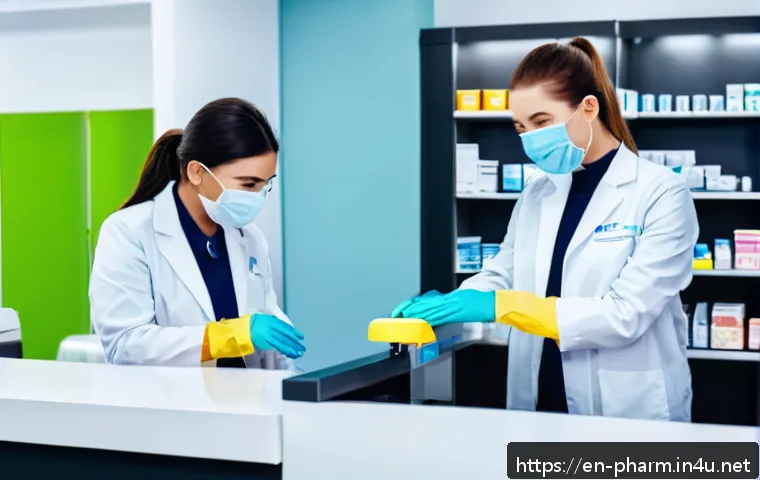
In today’s fast-paced healthcare environment, maintaining impeccable pharmacy hygiene is more critical than ever. With rising concerns about infection control and patient safety, pharmacies must adopt smarter cleaning practices to protect both staff and customers.
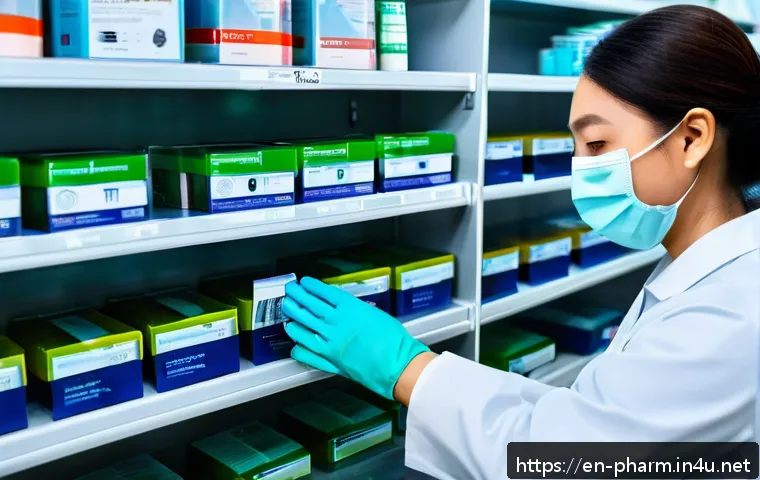
I’ve personally seen how simple yet effective cleaning hacks can transform a workspace, reducing contamination risks significantly. Whether you’re managing a busy retail pharmacy or a clinical setting, these tips will help you create a safer, cleaner environment.
Let’s dive into some essential strategies that not only boost hygiene but also enhance overall patient trust and satisfaction.
Optimizing Daily Cleaning Routines for Maximum Safety
Prioritizing High-Touch Surfaces
In any pharmacy, certain surfaces are touched more frequently than others, making them hotspots for contamination. These include counters, door handles, computer keyboards, and prescription drop-off areas.
From my experience, dedicating extra attention to these spots during each cleaning cycle drastically lowers germ presence. Using EPA-registered disinfectants proven effective against viruses and bacteria ensures these areas are not just wiped but properly sanitized.
I’ve noticed that when staff are trained to recognize and focus on these surfaces, the overall hygiene level in the pharmacy visibly improves, contributing to a safer environment for everyone.
Implementing Timed Cleaning Intervals
One lesson I learned the hard way is that cleaning once a day just isn’t enough in a busy pharmacy. Introducing scheduled cleaning intervals—say every two to three hours—helps maintain continuous hygiene standards throughout the day.
This approach prevents the buildup of pathogens and reassures customers that their health is a priority. It may sound demanding at first, but with clear protocols and assigning responsibilities among the team, it becomes a seamless part of the workflow.
Plus, it boosts staff morale as they see the tangible impact of their efforts in real time.
Using Technology to Track Cleanliness
Leveraging simple digital tools can make a huge difference. For example, digital checklists and reminders help ensure cleaning tasks aren’t overlooked during busy periods.
Some pharmacies even use UV light inspections to verify surface cleanliness, which can be eye-opening for staff and management alike. Introducing these technologies has helped me keep the team accountable and motivated, as well as providing documented proof of compliance that can be critical during inspections or audits.
Smart Disinfection Practices for Pharmacy Equipment
Choosing the Right Disinfectants
Not all disinfectants are created equal, especially when it comes to delicate pharmacy equipment like pill counters, barcode scanners, and electronic devices.
I’ve found that using alcohol-based wipes with at least 70% isopropyl alcohol strikes the perfect balance between effective disinfection and equipment safety.
Avoiding harsh chemicals that can corrode or damage these tools extends their lifespan and maintains functionality. Also, rotating disinfectants periodically helps prevent microbial resistance, a subtle but important consideration.
Proper Cleaning Techniques for Electronic Devices
Pharmacy electronics are often overlooked during cleaning, yet they harbor significant germs due to constant handling. A gentle, methodical approach is essential—power down devices before wiping, use lint-free microfiber cloths dampened (not soaked) with disinfectant, and avoid spraying liquids directly on the equipment.
From my own routine, this method not only keeps devices germ-free but also prevents damage that would otherwise lead to costly repairs or replacements.
Training staff on these techniques has been a game-changer in maintaining operational efficiency and hygiene.
Maintaining Sterile Storage Areas
Storage cabinets and refrigerators where medications are kept require meticulous attention to prevent cross-contamination. Regular cleaning with disinfectants safe for surfaces inside these units, combined with routine temperature monitoring, ensures medications remain uncontaminated and effective.
I’ve implemented checklists to document these tasks, which helps maintain high standards and provides peace of mind, especially when managing temperature-sensitive pharmaceuticals.
Enhancing Staff Hygiene to Complement Pharmacy Cleanliness
Establishing Hand Hygiene Protocols
Hands are the most common vectors for transmitting germs, so rigorous hand hygiene policies are non-negotiable. Encouraging frequent handwashing with soap and water for at least 20 seconds, supplemented by alcohol-based hand sanitizers, can drastically reduce contamination risks.
I’ve found that placing sanitizer dispensers at strategic points, like entrances and prescription counters, serves as constant reminders for both staff and customers.
Regular training sessions also reinforce the importance of hand hygiene, turning it into a habit rather than a chore.
Using Personal Protective Equipment Effectively
Beyond gloves and masks, proper use and disposal of personal protective equipment (PPE) are critical. In my pharmacy, we implemented clear guidelines on when to change gloves, how to wear masks correctly, and the safe disposal of used PPE.
This not only protects staff but also reassures customers that their health is taken seriously. PPE protocols paired with hygiene training create a comprehensive barrier against infection spread.
Creating a Culture of Cleanliness Among Staff
Ultimately, cleanliness isn’t just about protocols—it’s about mindset. Encouraging open communication about hygiene practices, celebrating small wins, and involving staff in decision-making fosters a culture where everyone takes ownership of cleanliness.
From my experience, this culture shift results in higher compliance rates and a more pleasant workplace atmosphere, which directly benefits patient interactions and trust.
Streamlining Waste Management for a Healthier Pharmacy
Segregating Pharmaceutical and General Waste
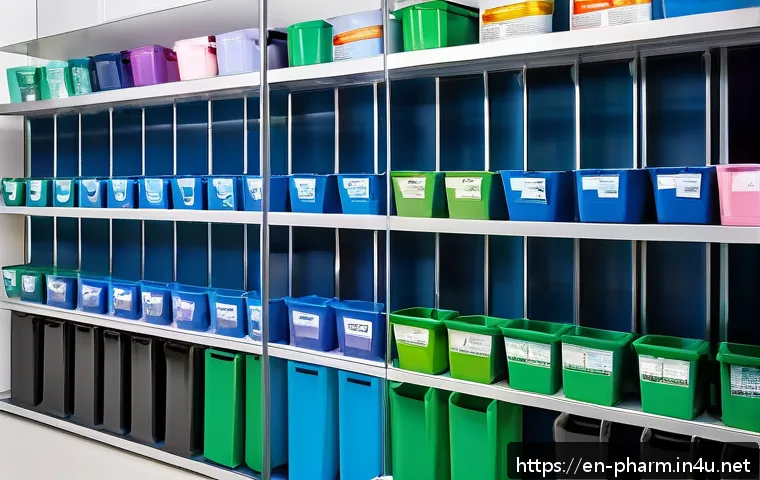
Proper waste segregation is essential to prevent contamination and comply with health regulations. I’ve seen pharmacies struggle with mixing general trash and pharmaceutical waste, which poses risks to staff and the environment.
Establishing clearly labeled bins for different waste types, along with staff training, ensures hazardous materials are handled safely. This practice also simplifies waste disposal procedures and reduces the chance of accidental exposure to harmful substances.
Safe Disposal of Expired and Unused Medications
Expired drugs require special handling to avoid environmental contamination and misuse. I recommend partnering with certified pharmaceutical waste disposal services that follow strict regulatory guidelines.
In my pharmacy, we maintain a log of expired medications and schedule regular pickups to keep storage areas clean and organized. This not only minimizes clutter but also protects the community by preventing improper disposal.
Regular Cleaning of Waste Storage Areas
Waste bins and storage rooms can become breeding grounds for bacteria if neglected. Routine cleaning and disinfection of these areas are crucial. Based on my experience, incorporating this task into the cleaning schedule prevents odors and pest infestations, enhancing overall pharmacy hygiene and safety.
Maintaining Air Quality for a Safer Pharmacy Atmosphere
Using Air Purifiers with HEPA Filters
Clean air significantly reduces airborne pathogens, which is especially important in pharmacies where vulnerable populations visit. Installing HEPA-filter air purifiers has made a noticeable difference in reducing dust, allergens, and microbes in my pharmacy.
These devices complement regular cleaning efforts and contribute to a healthier environment for both staff and patients.
Ensuring Proper Ventilation Systems
Ventilation plays a key role in circulating fresh air and preventing stagnant conditions that facilitate microbial growth. I’ve worked with HVAC professionals to optimize airflow and install regular maintenance schedules.
Keeping vents clean and filters replaced not only improves air quality but also extends the lifespan of ventilation systems.
Monitoring Humidity Levels
Maintaining ideal humidity levels (between 40-60%) helps inhibit mold growth and preserves medication integrity. I use digital hygrometers to track humidity and employ dehumidifiers or humidifiers as needed.
This subtle adjustment has positively impacted the overall cleanliness and comfort of the pharmacy environment.
Practical Tools and Supplies for Effective Cleaning
Choosing Ergonomic Cleaning Equipment
Cleaning can be physically demanding, so investing in ergonomic tools like lightweight mops, adjustable handles, and easy-to-grip spray bottles has made a big difference in reducing staff fatigue.
From my perspective, comfortable equipment encourages more frequent and thorough cleaning sessions, ultimately enhancing hygiene without exhausting the team.
Stocking Up on Essential Cleaning Supplies
Keeping an organized inventory of cleaning supplies ensures you never run out of critical items during peak hours. I maintain a checklist that tracks stock levels of disinfectants, gloves, wipes, and hand sanitizers.
This proactive approach prevents last-minute scrambles and guarantees continuous hygiene standards.
Incorporating Color-Coded Cleaning Systems
To avoid cross-contamination, I implemented a color-coded system where different cloths and mops are designated for specific areas—red for restrooms, blue for counters, green for floors, and so on.
This simple visual cue helps staff follow protocols effortlessly and reduces the risk of spreading germs between zones.
| Cleaning Focus Area | Recommended Frequency | Preferred Cleaning Agents | Key Tips |
|---|---|---|---|
| High-Touch Surfaces | Every 2-3 hours | EPA-registered disinfectants | Focus on counters, handles, keyboards |
| Pharmacy Equipment | After each shift | 70% isopropyl alcohol wipes | Power down devices before cleaning |
| Staff Hand Hygiene | Before/after patient interaction | Soap and water or alcohol sanitizer | Place dispensers strategically |
| Waste Management | Daily segregation and disposal | Separate bins for pharmaceutical waste | Train staff on waste types |
| Air Quality | Continuous with maintenance | HEPA filters in purifiers | Monitor humidity and ventilation |
| Cleaning Supplies | Weekly inventory checks | Varied based on area | Use color-coded tools |
In Conclusion
Optimizing daily cleaning routines in a pharmacy is essential for creating a safe and healthy environment for both staff and customers. By focusing on high-touch areas, using the right disinfectants, and embracing technology, pharmacies can maintain consistent hygiene standards. Equally important is fostering a culture of cleanliness and ensuring proper waste management and air quality. These combined efforts lead to improved safety and trust within the pharmacy setting.
Helpful Information to Know
1. Regularly disinfecting high-contact surfaces every 2-3 hours greatly reduces contamination risks and protects everyone in the pharmacy.
2. Using alcohol-based wipes with at least 70% isopropyl alcohol is effective and safe for cleaning delicate pharmacy equipment without causing damage.
3. Implementing digital tools like checklists and reminders enhances accountability and ensures no cleaning tasks are missed during busy times.
4. Proper segregation and disposal of pharmaceutical waste prevent environmental hazards and keep the pharmacy compliant with health regulations.
5. Maintaining optimal air quality through HEPA filtration and humidity control supports a healthier atmosphere for patients and staff alike.
Key Takeaways
Consistent cleaning schedules targeting critical areas, combined with staff training on hygiene and PPE use, form the backbone of pharmacy safety. Incorporating technology not only streamlines processes but also increases transparency and compliance. Additionally, a strong culture of cleanliness among staff encourages responsibility and improves overall workplace morale. Finally, attention to waste management and air quality completes the comprehensive approach needed to maintain a safe and efficient pharmacy environment.
Frequently Asked Questions (FAQ) 📖
Q: uestionsQ1: How often should pharmacy surfaces and equipment be cleaned to ensure optimal hygiene?
A: Ideally, high-touch surfaces like counters, computer keyboards, and medication dispensing areas should be cleaned and disinfected multiple times throughout the day—especially during peak hours.
Equipment used frequently, such as pill counters and label printers, should also undergo daily cleaning with hospital-grade disinfectants. Based on my experience working in busy pharmacies, establishing a routine cleaning schedule not only minimizes contamination but also reassures both staff and patients that hygiene is a top priority.
Q: What are some cost-effective cleaning hacks that pharmacies can implement without compromising safety?
A: From my hands-on experience, simple measures such as using microfiber cloths dampened with EPA-approved disinfectants can significantly reduce germs without breaking the bank.
Additionally, placing hand sanitizer dispensers strategically around the pharmacy encourages frequent hand hygiene. Another tip is to designate specific cleaning tools for different areas to avoid cross-contamination.
These small, practical steps can make a big difference in maintaining a clean environment without requiring expensive equipment or supplies.
Q: How does maintaining excellent pharmacy hygiene impact patient trust and satisfaction?
A: Patients are increasingly aware of infection risks, especially in healthcare settings. When a pharmacy visibly upholds high cleanliness standards—like spotless counters, well-organized shelves, and frequent sanitization—it builds confidence that their health is being safeguarded.
In my observation, this visible commitment to hygiene often leads to positive patient feedback and repeat visits. Cleanliness is not just about safety; it’s a powerful factor in shaping the overall patient experience and trust in pharmacy services.