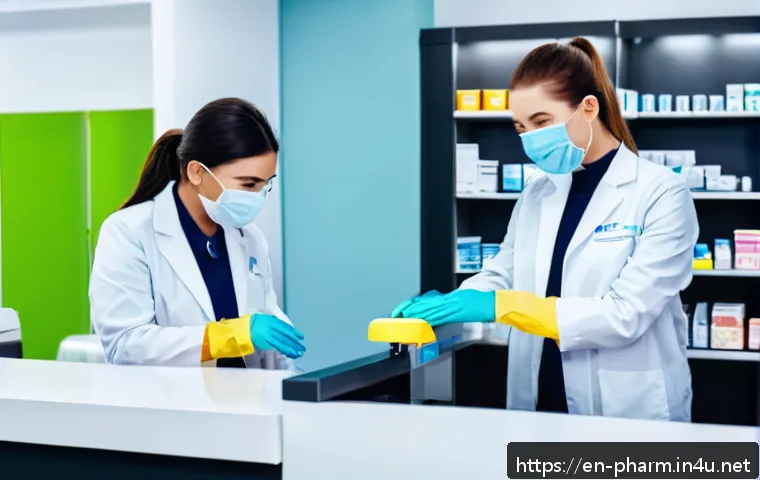
Lately, community pharmacists have been stepping far beyond their traditional roles, becoming vital players in public health within local neighborhoods.
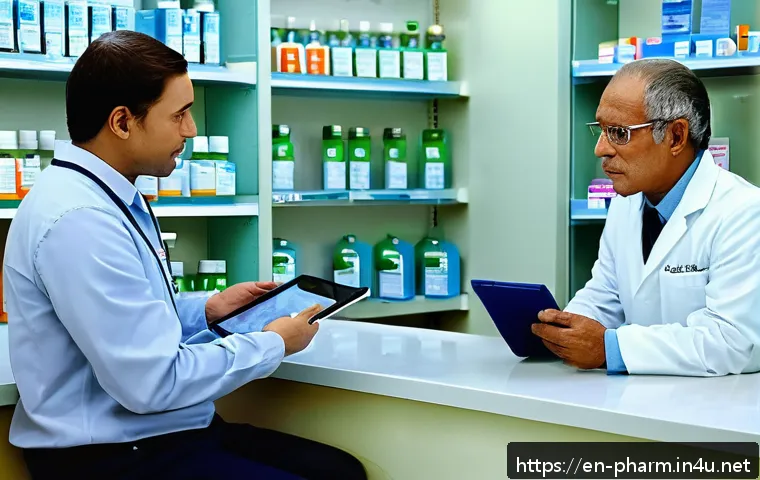
With healthcare challenges evolving rapidly, these accessible professionals are bridging gaps by offering more personalized care and preventive services right at your neighborhood pharmacy.
It’s fascinating to see how their expertise is reshaping healthcare delivery, making it more proactive and community-centered. If you’ve ever wondered how pharmacists contribute beyond just dispensing medications, this post will dive into their expanding impact on public health.
Stay tuned to discover why your local pharmacy might just be the next frontline in promoting wellness.
Transforming Neighborhood Health Access
Breaking Down Barriers with Walk-In Consultations
Community pharmacists have become the go-to healthcare touchpoint for many who find scheduling doctor appointments or traveling to clinics a hassle. I’ve noticed firsthand that these professionals often offer walk-in consultations, making it easy to get quick advice on minor ailments or medication concerns without the usual wait times.
This immediate accessibility removes a huge barrier to care, especially for busy families or elderly individuals who might otherwise postpone needed attention.
It’s like having a healthcare guide just around the corner, ready to help without the usual red tape.
Personalized Medication Management
Pharmacists nowadays don’t just hand over prescriptions and wave goodbye. They take the time to review your medications comprehensively, checking for potential drug interactions, side effects, and adherence challenges.
From my own experience, discussing medication plans with a pharmacist helped me better understand the timing and importance of each pill, which definitely improved my health outcomes.
This personalized approach ensures that patients aren’t just getting meds but are supported to use them safely and effectively.
Community Health Education and Awareness
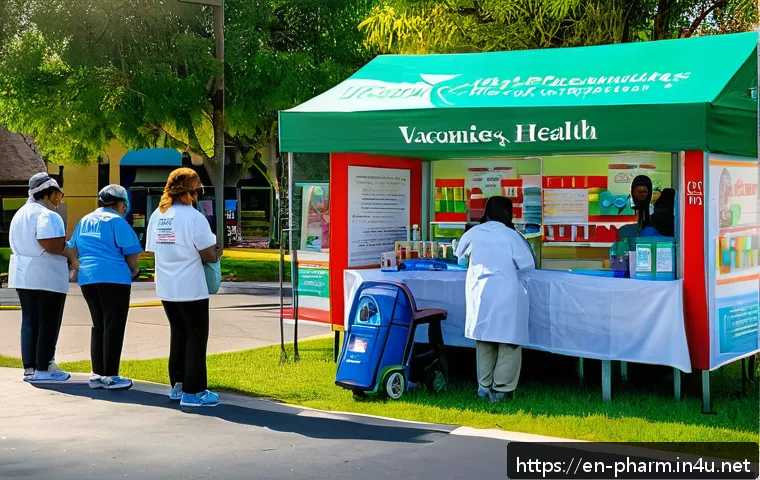
Another way pharmacists are stepping up is by educating the community on health topics ranging from flu prevention to chronic disease management. I’ve attended a few pharmacy-hosted workshops and vaccine clinics that were packed with neighbors eager to learn.
These sessions often include practical tips and resources, empowering people to take charge of their health. This proactive education is vital in fostering healthier communities and reducing hospital visits.
Expanding Preventive Care Services
Immunizations Beyond the Flu Shot
Pharmacies have become critical hubs for immunizations, far beyond just seasonal flu shots. They now offer vaccines for pneumonia, shingles, HPV, and even travel-related diseases.
What struck me is how convenient and non-intimidating it is to get vaccinated at a local pharmacy compared to traditional healthcare settings. This convenience has significantly increased vaccination rates in many neighborhoods, directly impacting public health positively.
Screening and Early Detection Programs
Many pharmacies have started offering health screenings that catch problems early — blood pressure, cholesterol, blood glucose, and even osteoporosis assessments.
I recall a friend who discovered her high blood pressure during a routine pharmacy screening, which led her to seek timely medical care. These early detections can be lifesaving and reduce the burden on emergency services.
Smoking Cessation and Lifestyle Counseling
Pharmacists are also actively involved in counseling patients on lifestyle changes such as quitting smoking, managing weight, or improving nutrition. I found that having a pharmacist’s support and follow-up made these challenging lifestyle adjustments feel more achievable.
Their tailored advice and encouragement turn the pharmacy into a motivational space for healthier living.
Supporting Chronic Disease Management
Collaborative Care with Healthcare Providers
Pharmacists often work closely with doctors and nurses to optimize treatment plans for chronic conditions like diabetes, hypertension, and asthma. From what I’ve seen, this team-based approach enhances medication effectiveness and patient adherence.
Pharmacists monitor progress, suggest medication adjustments, and educate patients, acting as an essential link between the patient and their healthcare team.
Medication Therapy Management (MTM) Programs
MTM is a structured service where pharmacists conduct in-depth reviews of all medications a patient is taking, ensuring each one is necessary, effective, and safe.
I was part of an MTM program, and the pharmacist’s insights uncovered a drug interaction that my doctor hadn’t noticed. Programs like these improve quality of life and can prevent hospitalizations caused by medication errors.
Empowering Self-Management Skills
Pharmacists don’t just dispense drugs; they teach patients how to monitor symptoms, use devices like inhalers properly, and recognize warning signs that need medical attention.
This empowerment builds patient confidence and autonomy, which I believe is crucial for managing long-term health conditions successfully.
Utilizing Technology to Enhance Care
Digital Tools for Medication Reminders
Many pharmacies now offer apps or text message services that remind patients when it’s time to take their meds or refill prescriptions. I use one of these myself, and it’s been a game-changer in preventing missed doses.
This tech integration fits perfectly with today’s fast-paced lifestyle, reducing the risk of medication lapses.
Telepharmacy and Remote Consultations
Especially during the pandemic, telepharmacy services boomed, allowing patients to consult pharmacists remotely. This convenience means that even those in rural areas or with mobility issues can get expert advice without leaving their homes.
I’ve tried virtual consultations and found them surprisingly thorough and reassuring.
Electronic Health Records Integration
Some pharmacies have integrated their systems with local healthcare providers’ electronic health records, improving communication and care coordination.
This seamless data sharing helps pharmacists make informed decisions about medication adjustments and patient counseling, ultimately enhancing the quality of care.
Addressing Social Determinants of Health
Identifying Barriers to Medication Access
Pharmacists often identify issues like financial hardship, transportation problems, or language barriers that prevent patients from accessing medications.
I’ve witnessed pharmacists connecting patients with assistance programs or delivery services, making sure no one goes without essential treatment.
Community Outreach and Support Networks
Many pharmacists participate in or organize community outreach programs that target vulnerable populations, including the elderly, homeless, or those with limited health literacy.
These efforts build trust and ensure these groups receive tailored support and health resources, which can be life-changing.
Advocacy for Health Equity
Pharmacists are increasingly advocating for policies that improve healthcare access and affordability. From my conversations with pharmacy professionals, they’re passionate about reducing health disparities and ensuring everyone has a fair shot at wellness, which is inspiring.
Emergency Preparedness and Response
Rapid Response During Health Crises
In times of public health emergencies like pandemics or natural disasters, pharmacists often serve as first responders by providing essential medications, vaccines, and health information.
I recall during recent outbreaks how pharmacies remained open and became crucial points for distributing supplies and guidance.
Educating the Public on Emergency Preparedness
Pharmacists also educate communities on how to prepare for emergencies, including maintaining medication supplies and understanding when to seek urgent care.
This education helps reduce panic and ensures smoother responses during crises.
Collaboration with Public Health Agencies
Pharmacies coordinate with local health departments to report disease outbreaks, track medication usage, and implement vaccination campaigns. This partnership strengthens community resilience and public health infrastructure.
| Pharmacy Role | Examples | Impact on Community |
|---|---|---|
| Walk-In Consultations | Immediate advice for minor ailments | Increased access, reduced delays |
| Preventive Immunizations | Flu, shingles, HPV vaccines | Higher vaccination rates, fewer infections |
| Chronic Disease Management | Medication Therapy Management (MTM) | Better adherence, fewer hospitalizations |
| Health Screenings | Blood pressure, diabetes checks | Early detection, timely treatment |
| Technology Integration | Medication reminders, telepharmacy | Improved compliance, remote care access |
| Social Support | Assistance programs, outreach | Addressed barriers, enhanced equity |
| Emergency Response | Vaccine distribution, public education | Community preparedness, crisis mitigation |
Closing Thoughts
Pharmacies have truly evolved into vital community health hubs, offering more than just medications. Their expanded services—from walk-in consultations to preventive care and chronic disease management—make healthcare more accessible and personalized. Experiencing these benefits firsthand shows how pharmacies are reshaping neighborhood health, empowering individuals to take charge of their well-being with convenience and trust.
Useful Information to Know
1. Many pharmacies now provide walk-in consultations, eliminating the need for appointments and reducing delays in care.
2. Preventive services such as vaccines for flu, shingles, and HPV are widely available at local pharmacies, increasing community immunization rates.
3. Medication Therapy Management programs help optimize prescriptions, improving safety and reducing hospital visits.
4. Digital tools like medication reminders and telepharmacy services support adherence and offer remote access to expert advice.
5. Pharmacists play a crucial role in addressing social barriers, offering outreach, and advocating for equitable healthcare access.
Key Takeaways
Pharmacies have become essential partners in healthcare by providing convenient, personalized services that improve access and outcomes. Their role extends beyond dispensing medication to include education, preventive care, chronic disease support, and emergency preparedness. Integrating technology and community outreach further enhances their impact, making pharmacies a cornerstone of healthier neighborhoods and stronger public health systems.
Frequently Asked Questions (FAQ) 📖
Q: How are community pharmacists involved in public health beyond dispensing medications?
A: Community pharmacists today play a crucial role in public health by providing services such as vaccination administration, health screenings, medication therapy management, and chronic disease monitoring.
Their accessibility allows them to offer personalized advice and early interventions, helping to prevent complications before patients even visit a doctor.
From educating patients on lifestyle changes to identifying potential drug interactions, pharmacists act as frontline healthcare providers supporting overall wellness in their communities.
Q: Can I get vaccinated or receive preventive care services at my local pharmacy?
A: Absolutely! Many community pharmacies now offer a wide range of preventive services including flu shots, COVID-19 vaccines, and other immunizations. They also conduct blood pressure checks, cholesterol testing, and diabetes risk assessments.
This convenience means you can receive important preventive care without the need for a doctor’s appointment, making it easier to stay on top of your health.
Q: Why should I trust my pharmacist with health advice instead of only relying on my primary care physician?
A: Pharmacists undergo extensive training in medication management and patient counseling, giving them unique expertise that complements your physician’s care.
Because they interact with patients regularly, pharmacists often catch issues early—such as side effects or adherence problems—that might be missed in less frequent doctor visits.
Their approachable nature and accessibility make them an excellent resource for ongoing support, ensuring your treatment plan works effectively and safely.