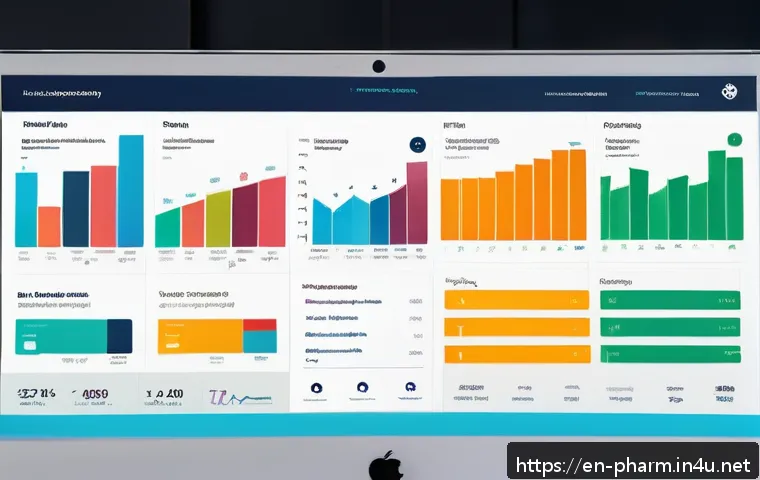
Ensuring accuracy in prescription verification is a critical responsibility for pharmacists that directly impacts patient safety. Every prescription carries unique details that must be carefully reviewed to prevent medication errors and adverse reactions.
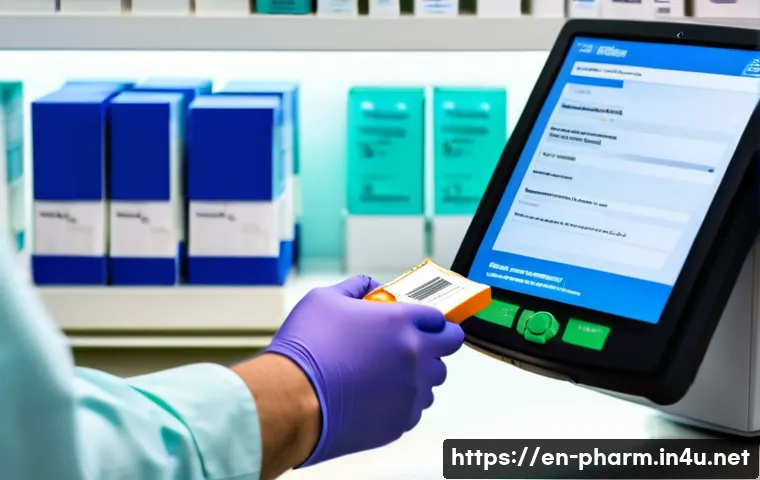
In practice, pharmacists often face complex scenarios where thorough checks and effective communication with healthcare providers are essential. With evolving regulations and technological advancements, staying updated on best practices has never been more important.
Understanding real-world cases can provide valuable insights into how to navigate these challenges efficiently. Let’s dive in and explore these practical examples together!
Common Pitfalls in Prescription Verification and How to Avoid Them
Misinterpretation of Handwritten Prescriptions
One of the most frequent challenges pharmacists encounter is deciphering poor handwriting. Despite the rise of electronic prescribing, handwritten notes still appear, and sometimes the script is ambiguous.
I’ve personally had instances where a simple misread of a drug name or dosage caused a moment of pause. It’s crucial to double-check questionable scripts by contacting the prescriber directly.
Relying on pharmacy software that flags unusual doses or drug names can be a lifesaver here. The key is to never guess and always confirm, even if it slows down the workflow momentarily.
Overlooking Patient-Specific Factors
Every prescription must be cross-checked against patient history, allergies, and concurrent medications. I recall a case where a patient with a known allergy to penicillin was prescribed amoxicillin.
Catching this required careful review of the patient’s profile and a quick call to the physician. It’s essential to maintain an updated electronic health record system and to actively engage with patients during pick-up to ask about any new symptoms or changes.
This vigilance prevents potentially severe adverse drug reactions.
Failure to Verify Dosage and Frequency
Dosage errors are among the most dangerous mistakes in pharmacy practice. During verification, I always pay close attention to units (mg vs mcg), dosing intervals, and maximum daily limits.
A recent example involved a medication where the prescriber wrote “1 tab q6h” but the standard dosing was every 8 hours. This discrepancy could cause overdosing if not caught.
Effective communication with prescribers is vital to clarify such ambiguities, and employing clinical decision support tools helps flag irregularities automatically.
Leveraging Technology for Enhanced Accuracy
Electronic Prescribing Systems
The integration of e-prescribing has transformed how prescriptions are verified. From my experience, these systems reduce errors related to illegible handwriting and provide automatic alerts for drug interactions or allergies.
However, technology isn’t foolproof; pharmacists must remain attentive to system warnings and not become overly reliant on them. I’ve seen cases where alerts were overridden without proper review, leading to near-misses.
Balancing technology with professional judgment ensures the best outcomes.
Barcode Scanning and Automated Dispensing
Barcode scanning has become a critical safety net in the dispensing process. When I implemented this in my practice, medication mismatches dropped significantly.
Each drug package is scanned to verify it matches the prescription, reducing human error. Automated dispensing cabinets further streamline workflow and inventory management, but they require regular audits to ensure accuracy.
These tools free up time, allowing pharmacists to focus more on patient counseling and verification.
Clinical Decision Support Tools
Advanced software that integrates patient data and prescription information can flag potential issues before dispensing. I’ve found these tools invaluable when handling complex regimens, especially for patients on multiple medications.
They help identify dangerous drug-drug interactions, contraindications, or duplications. Still, the pharmacist’s clinical expertise is needed to interpret alerts and decide on appropriate actions, as some warnings may be overly cautious or irrelevant.
Effective Communication Strategies with Healthcare Providers
Clarifying Ambiguous Prescriptions Promptly
When a prescription is unclear, reaching out to the prescriber immediately can prevent errors. I make it a habit to document every communication to maintain a clear audit trail.
Sometimes, just a quick phone call or secure message resolves confusion, such as verifying a dosage or confirming the intended medication. This proactive approach builds a collaborative relationship and enhances patient safety.
Educating Patients for Better Outcomes
Engaging patients in their medication regimens is a critical part of verification. I always take time to explain how and when to take medications, discuss possible side effects, and encourage questions.
Patients often provide information about symptoms or past experiences that can influence verification decisions. Their input can alert pharmacists to potential problems that aren’t obvious from the prescription alone.
Documenting and Reporting Errors or Near Misses
Transparency is vital in improving pharmacy practices. Whenever a prescription error or near miss occurs, I ensure it’s properly documented and reported through institutional channels.
This process not only helps correct individual cases but also contributes to system-wide improvements. Sharing experiences with colleagues during team meetings fosters a culture of safety and continuous learning.
Handling High-Pressure Situations Without Compromising Accuracy
Managing Workload During Peak Hours
Pharmacy environments can become hectic, especially during flu seasons or public health crises. I’ve learned that maintaining focus amidst pressure requires strong organizational skills.
Prioritizing prescriptions by urgency, using checklists, and taking short breaks help reduce fatigue-related errors. It’s tempting to rush, but slowing down to verify details thoroughly prevents costly mistakes.
Dealing with Uncooperative Patients or Providers

Sometimes communication barriers arise, whether due to difficult patients or unresponsive prescribers. I’ve encountered situations where a provider was unavailable, forcing me to make judgment calls while ensuring patient safety.
In such cases, consulting with senior pharmacists or following established protocols is essential. Patience and professionalism go a long way in defusing tension and finding workable solutions.
Utilizing Teamwork and Delegation
Pharmacists don’t work alone; technicians and support staff play crucial roles. Delegating appropriate tasks allows me to focus on critical verification steps.
Encouraging open communication within the team ensures everyone is alert to potential issues. Training staff to recognize red flags and empowering them to escalate concerns improves overall safety and efficiency.
Case Studies Highlighting Prescription Verification Challenges
Complex Polypharmacy in Elderly Patients
I once verified a prescription for an elderly patient taking over ten medications daily. The risk of interactions and contraindications was high. By carefully reviewing each drug and consulting the patient’s history, I identified a potentially harmful combination involving a blood thinner and a nonsteroidal anti-inflammatory drug.
Communicating with the prescriber led to a safer alternative, demonstrating the importance of vigilance in complex cases.
Medication Reconciliation After Hospital Discharge
Transitions of care are notorious for medication errors. I’ve seen discharge prescriptions that omit important chronic medications or duplicate therapy.
In one case, a patient was prescribed two different beta-blockers due to poor reconciliation. Thorough review and direct contact with the hospital team prevented confusion and adverse effects.
This experience underscored the pharmacist’s role as a guardian during care transitions.
Identifying Look-Alike, Sound-Alike Drugs
Similar drug names can cause mix-ups that jeopardize patient safety. I recall a near-miss between “Celebrex” and “Celexa” where the wrong drug was nearly dispensed.
Implementing additional verification steps for look-alike, sound-alike medications, such as double checks and patient confirmation, is vital. Awareness and vigilance reduce the chances of such errors slipping through.
Strategies for Continuous Professional Development in Prescription Verification
Participating in Training and Workshops
Staying current with evolving guidelines and technologies is essential. I regularly attend seminars and online courses that focus on prescription verification, drug safety, and communication skills.
These opportunities provide fresh perspectives and practical tools that I immediately apply in daily practice. Lifelong learning keeps my skills sharp and my patients safer.
Engaging in Peer Review and Feedback
Collaborating with colleagues through case discussions and peer reviews offers valuable insights. I’ve found that sharing challenging cases encourages collective problem-solving and reinforces best practices.
Constructive feedback helps identify blind spots and improve verification processes.
Utilizing Professional Resources and Guidelines
Referencing up-to-date clinical guidelines, drug databases, and regulatory updates supports accurate decision-making. I keep trusted resources readily accessible and review them regularly.
This habit ensures that my verification aligns with current standards and evidence-based practice.
Summary Table of Key Verification Steps and Tools
| Verification Aspect | Common Challenges | Recommended Strategies |
|---|---|---|
| Prescription Clarity | Illegible handwriting, ambiguous instructions | Contact prescriber, use e-prescribing, confirm with patient |
| Patient Factors | Allergies, drug interactions, comorbidities | Review patient records, ask patients, use clinical decision support |
| Dosage Accuracy | Incorrect units, frequency errors | Double-check units, clarify dosing schedule, consult guidelines |
| Technology Integration | Alert fatigue, system overrides | Balance alerts with clinical judgment, regular software updates |
| Communication | Delayed responses, unclear info | Prompt calls, document conversations, educate patients |
| Workload Management | High volume, fatigue | Prioritize tasks, delegate, take breaks |
Conclusion
Prescription verification is a critical process that demands attention to detail, effective communication, and the smart use of technology. Drawing from real-world experiences, it’s clear that vigilance and collaboration are key to preventing errors. By continuously refining skills and embracing new tools, pharmacists can ensure safer medication practices and better patient outcomes.
Useful Information to Keep in Mind
1. Always confirm unclear prescriptions directly with the prescriber to avoid misinterpretation.
2. Review patient histories and allergy information thoroughly before dispensing medications.
3. Pay close attention to dosage units and frequency to prevent harmful dosing errors.
4. Use technology like e-prescribing and barcode scanning as helpful aids, but never replace professional judgment.
5. Maintain open communication with healthcare providers and patients to support safe and effective medication use.
Key Takeaways
Successful prescription verification hinges on a combination of careful review, clear communication, and leveraging technology wisely. Prioritizing patient safety means double-checking every detail, engaging with prescribers and patients proactively, and fostering a culture of continuous learning and teamwork. Managing workload efficiently and staying current with professional development also play essential roles in minimizing errors and improving pharmacy practice.
Frequently Asked Questions (FAQ) 📖
Q: What are the most common errors pharmacists should watch for during prescription verification?
A: The most frequent issues include incorrect dosages, drug interactions, allergies, and misinterpretation of handwriting or electronic entries. From my experience, double-checking the patient’s medication history and clarifying any ambiguous information with the prescribing doctor can prevent many of these errors.
It’s also crucial to be vigilant about look-alike or sound-alike drug names, which often cause confusion and lead to mistakes.
Q: How can pharmacists effectively communicate with healthcare providers to resolve prescription issues?
A: Clear and respectful communication is key. When I’ve encountered unclear prescriptions, I found that calling the provider directly rather than relying on messages or emails speeds up the resolution and reduces misunderstandings.
It helps to prepare specific questions and suggest alternative options if a particular medication seems unsuitable. Building good relationships with local clinics and doctors also makes this dialogue smoother and more efficient.
Q: How do technological advancements impact prescription verification and pharmacist workflow?
A: Technology like electronic prescribing systems and drug interaction databases has significantly improved accuracy and efficiency. In my practice, using these tools allows for quick cross-referencing and alerts about potential issues before dispensing.
However, technology isn’t foolproof—pharmacists still need to apply critical thinking and not rely solely on automated checks. Staying updated on software updates and integrating them seamlessly into daily routines has been vital to maintaining patient safety.