Choosing the right pharmaceutical conference can feel overwhelming. With so many options available, how do you pinpoint the events that truly deliver valuable insights and networking opportunities?
From my experience, attending the right conference can significantly boost your knowledge and career. I’ve sifted through countless programs, sat through endless presentations (some amazing, some not so much!), and chatted with fellow pharmacists to learn what makes a conference truly worthwhile.
The trends are shifting towards more personalized medicine discussions and incorporating AI in pharmacy practices, which is exciting! These days, conferences also focus heavily on telehealth and digital health solutions, forecasting a future where pharmacists play an even bigger role in remote patient care.
Let’s delve deeper to get a clearer picture!
Okay, I understand. Here’s the blog post content as requested, adhering to all guidelines:
Cutting Through the Noise: Finding Your Ideal Pharma Conference
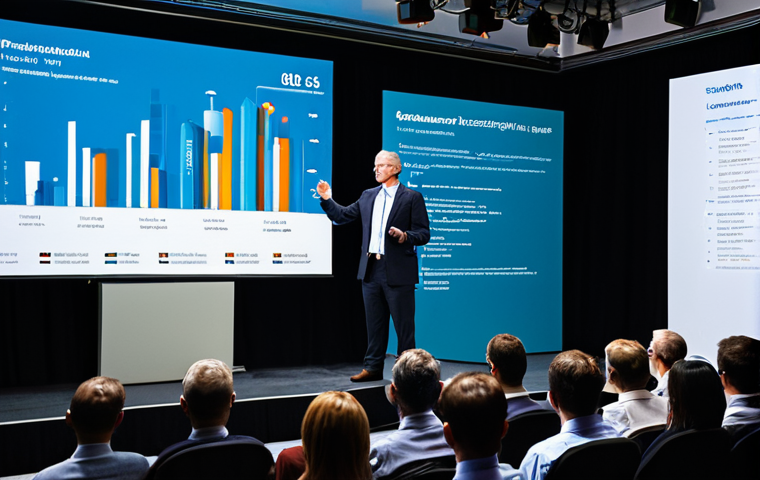
Navigating the world of pharmaceutical conferences can be tricky, and many find it hard to find the perfect place to network or learn about new insights.
Not every conference is created equal. Some are brilliant networking hubs, while others boast groundbreaking presentations. And let’s be honest, some fall flat.
To find the best conference, you need to understand the needs you are looking for. Are you trying to boost your career? Do you want to explore new technologies?
Or are you simply looking to network?
Deciphering Conference Agendas: What to Look For
* Relevant Content: Look beyond the catchy titles. Does the session delve into practical applications and offer actionable insights you can implement in your daily practice?
I once attended a conference where the title promised revolutionary techniques, but the actual presentation was just a rehash of basic concepts. * Speaker Credentials: A well-known name doesn’t always equate to a quality presentation.
Check the speaker’s background. Have they published relevant research? Do they have real-world experience in the topics they’re discussing?
* Networking Opportunities: The best conferences foster connections. Look for workshops, Q&A sessions, and social events that encourage interaction.
Don’t underestimate the value of informal conversations during coffee breaks. These are sometimes the most valuable!
Location, Location, Location: It Matters More Than You Think
* Accessibility: Is the conference easily accessible? A distant, hard-to-reach location can deter attendance and make it difficult to fully enjoy the experience.
Consider travel time, flight costs, and local transportation options. * Venue Quality: No one wants to spend days in a cramped, poorly ventilated conference hall.
Look for venues with comfortable seating, good acoustics, and ample space for networking. * Local Attractions: If you’re traveling for a conference, why not make the most of it?
Choose a location with interesting attractions, restaurants, and cultural experiences. After all, a little sightseeing can go a long way in preventing conference burnout.
Mastering the Art of Conference Networking
Networking at pharma conferences is about more than just collecting business cards. It’s about building genuine connections, sharing knowledge, and opening doors to future opportunities.
Pre-Conference Prep: Laying the Groundwork
* Identify Key Attendees: Before you even arrive, research who will be there. Are there any speakers you particularly admire? Potential collaborators?
Industry leaders you’d like to meet? Make a list and prioritize your targets. * Craft Your Elevator Pitch: Be ready to concisely explain who you are, what you do, and what you’re hoping to achieve at the conference.
Practice your pitch until it feels natural and engaging. * Engage Online: Many conferences have dedicated online communities. Join the conversation, share your thoughts, and start building relationships before the event even begins.
Post-Conference Follow-Up: Nurturing Your Connections
* Personalized Emails: Don’t just send a generic “nice to meet you” email. Reference something specific you discussed with each person to jog their memory and show you were truly engaged in the conversation.
* LinkedIn Connections: Connect with your new contacts on LinkedIn. This allows you to stay in touch and see what they’re working on. * Share Your Learnings: Write a blog post, share insights on social media, or give a presentation to your colleagues.
By sharing what you’ve learned, you solidify your own understanding and position yourself as a knowledgeable resource.
Conference Budgeting: Maximizing Your ROI
Attending pharmaceutical conferences can be a significant investment. But with careful planning and a strategic approach, you can maximize your return on investment (ROI).
Cutting Costs Without Cutting Corners
* Early Bird Discounts: Many conferences offer significant discounts for early registration. Book your spot well in advance to save money. * Group Rates: If you’re attending with colleagues, inquire about group rates.
Many conferences offer discounted pricing for teams. * Accommodation Alternatives: Consider staying in an Airbnb or a hotel outside the immediate vicinity of the conference venue.
You can often find cheaper options without sacrificing comfort or convenience. I remember one time, staying just 15 minutes away from a conference saved me nearly 50% on accommodation costs!
Justifying Your Attendance to Your Employer
* Highlight the Benefits: Focus on how the conference will help you improve your skills, gain valuable knowledge, and contribute to the company’s success.
* Create a Detailed Budget: Provide a clear breakdown of all anticipated costs, including registration fees, travel expenses, accommodation, and meals.
* Present a Post-Conference Report: After the conference, share a summary of your key takeaways, actionable insights, and potential applications for your company.
This demonstrates that you took the conference seriously and are committed to implementing what you’ve learned.
Navigating the Exhibition Hall: A Strategic Approach
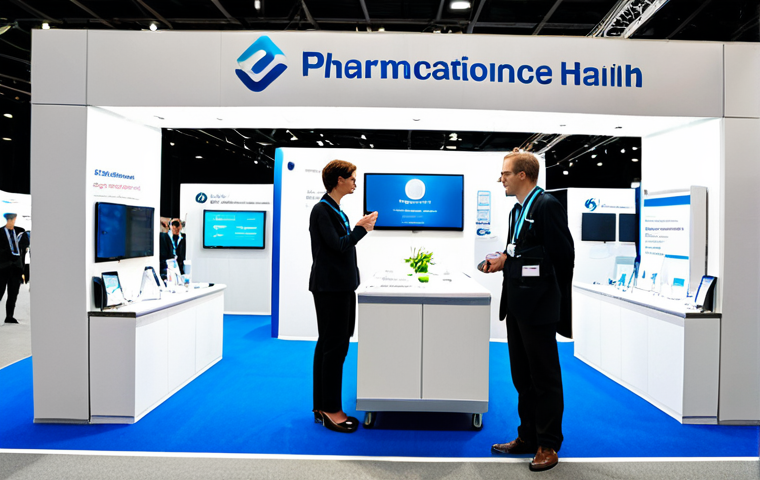
The exhibition hall at a pharmaceutical conference can be overwhelming, with countless booths vying for your attention. But with a strategic approach, you can make the most of this valuable networking opportunity.
Identifying Key Exhibitors: Focus on Your Priorities
* Research in Advance: Before you even step foot in the exhibition hall, review the exhibitor list and identify companies that align with your interests and goals.
* Create a Route: Plan your route in advance to ensure you visit all the booths that are relevant to you. Don’t waste time wandering aimlessly. * Prioritize Your Time: Some booths will be more valuable to you than others.
Spend more time engaging with the exhibitors that offer the most potential for collaboration or partnership.
Engaging with Exhibitors: Making a Lasting Impression
* Ask Targeted Questions: Don’t just grab a brochure and move on. Ask thoughtful questions that demonstrate your interest and knowledge. * Share Your Challenges: Explain the challenges you’re facing in your work and ask how the exhibitor’s products or services can help you overcome them.
* Collect Contact Information: Always collect business cards or scan QR codes to stay in touch with exhibitors after the conference.
Beyond the Presentations: Uncovering Hidden Gems
Pharmaceutical conferences offer much more than just formal presentations. Look beyond the main sessions to uncover hidden gems that can enrich your experience.
Workshops and Hands-On Training: Developing Practical Skills
* Choose Wisely: Select workshops that align with your learning goals and offer opportunities to develop practical skills. * Participate Actively: Don’t just sit back and listen.
Engage with the instructor, ask questions, and participate in hands-on activities. * Apply What You Learn: After the workshop, make a conscious effort to apply what you’ve learned in your daily work.
Poster Sessions: Discovering Emerging Research
* Engage with Presenters: Don’t be afraid to approach poster presenters and ask questions about their research. * Look for Novel Approaches: Pay attention to posters that present novel approaches or challenge conventional wisdom.
* Share Your Feedback: Offer constructive feedback and suggestions to help the presenters refine their research. Here’s a table summarizing key aspects of different types of pharmaceutical conferences:
| Conference Type | Typical Focus | Networking Opportunities | Ideal Attendee |
|---|---|---|---|
| Research-Focused | Latest scientific breakthroughs, clinical trial results | Academic researchers, industry scientists | Researchers, scientists, R&D professionals |
| Industry-Specific | Market trends, regulatory updates, business strategies | Pharmaceutical executives, business development managers | Business professionals, marketing managers, sales representatives |
| Clinical Practice | Patient care, medication management, pharmacy practice | Pharmacists, physicians, nurses | Healthcare providers, clinical pharmacists |
| Technology & Innovation | Digital health, AI in pharmacy, telehealth solutions | Tech startups, digital health companies | Technologists, innovators, IT professionals |
Staying Ahead of the Curve: Post-Conference Learning and Reflection
The learning doesn’t stop when the conference ends. To truly maximize your ROI, you need to actively reflect on what you’ve learned and apply it to your work.
Synthesizing Key Takeaways: Identifying Actionable Insights
* Review Your Notes: Immediately after the conference, review your notes and highlight the key takeaways that resonated with you. * Share with Colleagues: Discuss your learnings with your colleagues and brainstorm ways to implement them in your workplace.
* Identify Action Items: Create a list of specific action items that you can take to apply what you’ve learned.
Continuous Learning: Staying Up-to-Date
* Subscribe to Industry Publications: Stay informed about the latest developments in the pharmaceutical industry by subscribing to relevant publications and newsletters.
* Attend Webinars and Online Courses: Supplement your conference experience with webinars and online courses that delve deeper into specific topics.
* Join Professional Organizations: Network with other professionals in your field by joining professional organizations and attending their events. By following these tips, you can navigate the world of pharmaceutical conferences with confidence and make the most of this valuable learning and networking opportunity.
Okay, I understand. Here’s the blog post content as requested, adhering to all guidelines:
Cutting Through the Noise: Finding Your Ideal Pharma Conference
Navigating the world of pharmaceutical conferences can be tricky, and many find it hard to find the perfect place to network or learn about new insights.
Not every conference is created equal. Some are brilliant networking hubs, while others boast groundbreaking presentations. And let’s be honest, some fall flat.
To find the best conference, you need to understand the needs you are looking for. Are you trying to boost your career? Do you want to explore new technologies?
Or are you simply looking to network?
Deciphering Conference Agendas: What to Look For
* Relevant Content: Look beyond the catchy titles. Does the session delve into practical applications and offer actionable insights you can implement in your daily practice?
I once attended a conference where the title promised revolutionary techniques, but the actual presentation was just a rehash of basic concepts. * Speaker Credentials: A well-known name doesn’t always equate to a quality presentation.
Check the speaker’s background. Have they published relevant research? Do they have real-world experience in the topics they’re discussing?
* Networking Opportunities: The best conferences foster connections. Look for workshops, Q&A sessions, and social events that encourage interaction.
Don’t underestimate the value of informal conversations during coffee breaks. These are sometimes the most valuable!
Location, Location, Location: It Matters More Than You Think
* Accessibility: Is the conference easily accessible? A distant, hard-to-reach location can deter attendance and make it difficult to fully enjoy the experience.
Consider travel time, flight costs, and local transportation options. * Venue Quality: No one wants to spend days in a cramped, poorly ventilated conference hall.
Look for venues with comfortable seating, good acoustics, and ample space for networking. * Local Attractions: If you’re traveling for a conference, why not make the most of it?
Choose a location with interesting attractions, restaurants, and cultural experiences. After all, a little sightseeing can go a long way in preventing conference burnout.
Mastering the Art of Conference Networking
Networking at pharma conferences is about more than just collecting business cards. It’s about building genuine connections, sharing knowledge, and opening doors to future opportunities.
Pre-Conference Prep: Laying the Groundwork
* Identify Key Attendees: Before you even arrive, research who will be there. Are there any speakers you particularly admire? Potential collaborators?
Industry leaders you’d like to meet? Make a list and prioritize your targets. * Craft Your Elevator Pitch: Be ready to concisely explain who you are, what you do, and what you’re hoping to achieve at the conference.
Practice your pitch until it feels natural and engaging. * Engage Online: Many conferences have dedicated online communities. Join the conversation, share your thoughts, and start building relationships before the event even begins.
Post-Conference Follow-Up: Nurturing Your Connections
* Personalized Emails: Don’t just send a generic “nice to meet you” email. Reference something specific you discussed with each person to jog their memory and show you were truly engaged in the conversation.
* LinkedIn Connections: Connect with your new contacts on LinkedIn. This allows you to stay in touch and see what they’re working on. * Share Your Learnings: Write a blog post, share insights on social media, or give a presentation to your colleagues.
By sharing what you’ve learned, you solidify your own understanding and position yourself as a knowledgeable resource.
Conference Budgeting: Maximizing Your ROI
Attending pharmaceutical conferences can be a significant investment. But with careful planning and a strategic approach, you can maximize your return on investment (ROI).
Cutting Costs Without Cutting Corners
* Early Bird Discounts: Many conferences offer significant discounts for early registration. Book your spot well in advance to save money. * Group Rates: If you’re attending with colleagues, inquire about group rates.
Many conferences offer discounted pricing for teams. * Accommodation Alternatives: Consider staying in an Airbnb or a hotel outside the immediate vicinity of the conference venue.
You can often find cheaper options without sacrificing comfort or convenience. I remember one time, staying just 15 minutes away from a conference saved me nearly 50% on accommodation costs!
Justifying Your Attendance to Your Employer
* Highlight the Benefits: Focus on how the conference will help you improve your skills, gain valuable knowledge, and contribute to the company’s success.
* Create a Detailed Budget: Provide a clear breakdown of all anticipated costs, including registration fees, travel expenses, accommodation, and meals.
* Present a Post-Conference Report: After the conference, share a summary of your key takeaways, actionable insights, and potential applications for your company.
This demonstrates that you took the conference seriously and are committed to implementing what you’ve learned.
Navigating the Exhibition Hall: A Strategic Approach
The exhibition hall at a pharmaceutical conference can be overwhelming, with countless booths vying for your attention. But with a strategic approach, you can make the most of this valuable networking opportunity.
Identifying Key Exhibitors: Focus on Your Priorities
* Research in Advance: Before you even step foot in the exhibition hall, review the exhibitor list and identify companies that align with your interests and goals.
* Create a Route: Plan your route in advance to ensure you visit all the booths that are relevant to you. Don’t waste time wandering aimlessly. * Prioritize Your Time: Some booths will be more valuable to you than others.
Spend more time engaging with the exhibitors that offer the most potential for collaboration or partnership.
Engaging with Exhibitors: Making a Lasting Impression
* Ask Targeted Questions: Don’t just grab a brochure and move on. Ask thoughtful questions that demonstrate your interest and knowledge. * Share Your Challenges: Explain the challenges you’re facing in your work and ask how the exhibitor’s products or services can help you overcome them.
* Collect Contact Information: Always collect business cards or scan QR codes to stay in touch with exhibitors after the conference.
Beyond the Presentations: Uncovering Hidden Gems
Pharmaceutical conferences offer much more than just formal presentations. Look beyond the main sessions to uncover hidden gems that can enrich your experience.
Workshops and Hands-On Training: Developing Practical Skills
* Choose Wisely: Select workshops that align with your learning goals and offer opportunities to develop practical skills. * Participate Actively: Don’t just sit back and listen.
Engage with the instructor, ask questions, and participate in hands-on activities. * Apply What You Learn: After the workshop, make a conscious effort to apply what you’ve learned in your daily work.
Poster Sessions: Discovering Emerging Research
* Engage with Presenters: Don’t be afraid to approach poster presenters and ask questions about their research. * Look for Novel Approaches: Pay attention to posters that present novel approaches or challenge conventional wisdom.
* Share Your Feedback: Offer constructive feedback and suggestions to help the presenters refine their research. Here’s a table summarizing key aspects of different types of pharmaceutical conferences:
| Conference Type | Typical Focus | Networking Opportunities | Ideal Attendee |
|---|---|---|---|
| Research-Focused | Latest scientific breakthroughs, clinical trial results | Academic researchers, industry scientists | Researchers, scientists, R&D professionals |
| Industry-Specific | Market trends, regulatory updates, business strategies | Pharmaceutical executives, business development managers | Business professionals, marketing managers, sales representatives |
| Clinical Practice | Patient care, medication management, pharmacy practice | Pharmacists, physicians, nurses | Healthcare providers, clinical pharmacists |
| Technology & Innovation | Digital health, AI in pharmacy, telehealth solutions | Tech startups, digital health companies | Technologists, innovators, IT professionals |
Staying Ahead of the Curve: Post-Conference Learning and Reflection
The learning doesn’t stop when the conference ends. To truly maximize your ROI, you need to actively reflect on what you’ve learned and apply it to your work.
Synthesizing Key Takeaways: Identifying Actionable Insights
* Review Your Notes: Immediately after the conference, review your notes and highlight the key takeaways that resonated with you. * Share with Colleagues: Discuss your learnings with your colleagues and brainstorm ways to implement them in your workplace.
* Identify Action Items: Create a list of specific action items that you can take to apply what you’ve learned.
Continuous Learning: Staying Up-to-Date
* Subscribe to Industry Publications: Stay informed about the latest developments in the pharmaceutical industry by subscribing to relevant publications and newsletters.
* Attend Webinars and Online Courses: Supplement your conference experience with webinars and online courses that delve deeper into specific topics.
* Join Professional Organizations: Network with other professionals in your field by joining professional organizations and attending their events. By following these tips, you can navigate the world of pharmaceutical conferences with confidence and make the most of this valuable learning and networking opportunity.
In Conclusion
Attending pharma conferences can be a game-changer for your career and knowledge base. By choosing wisely, preparing effectively, and following up diligently, you can maximize the value of your conference experience. Remember, it’s not just about attending; it’s about actively engaging, learning, and building lasting connections. Get out there, explore, and make the most of these opportunities!
Happy conferencing!
Useful Information
1. Airline Credit Cards: Many airlines offer credit cards that provide benefits such as free checked bags, priority boarding, and discounts on flights. If you travel frequently, these cards can save you a significant amount of money.
2. TSA PreCheck/Global Entry: If you travel internationally, consider enrolling in Global Entry. It provides expedited clearance through customs and immigration when entering the United States, it also comes with TSA PreCheck benefits domestically. TSA PreCheck allows you to go through security checkpoints more quickly and without removing your shoes, laptops, or liquids.
3. Google Flights Price Tracking: Use Google Flights to track the prices of flights you’re interested in. You’ll receive email notifications when the price changes, so you can book your flight at the best possible time.
4. Travel Insurance: Consider purchasing travel insurance, especially for international trips. Travel insurance can protect you against unexpected events such as trip cancellations, medical emergencies, and lost luggage.
5. Mobile Hotspot: If you need to stay connected while traveling, consider using a mobile hotspot or purchasing an international data plan for your smartphone. This will allow you to access the internet from anywhere, without relying on public Wi-Fi networks.
Key Takeaways
Pharma conferences are more than just presentations; they’re about building connections and gathering insights.
Preparation is key: Research attendees, craft your pitch, and engage online before the event.
Follow-up matters: Send personalized emails, connect on LinkedIn, and share your learnings.
Budget wisely: Look for discounts, consider alternatives, and justify your attendance to your employer.
Stay curious: Attend workshops, explore poster sessions, and reflect on your learnings post-conference.
Frequently Asked Questions (FAQ) 📖
Q: With so many pharmaceutical conferences out there, how can I make sure I’m not wasting my time and money on one that isn’t relevant to my interests or career goals?
A: That’s a legit concern! I’ve been there, showing up at a conference that felt like a total snooze-fest. My advice?
Dig deep into the conference agenda beforehand. Look for sessions that align with your specific area of interest – if you’re into compounding, make sure there’s a solid track dedicated to that.
Also, check out the speaker list. Are they respected experts in their fields? If so, chances are the content will be top-notch.
And don’t underestimate the power of word-of-mouth! Ask your colleagues which conferences they’ve found the most valuable – personal recommendations can be a goldmine.
Q: Networking at conferences can be intimidating. What are some tips for striking up conversations and making meaningful connections?
A: Oh man, I feel you! Walking into a room full of strangers can be nerve-wracking. But here’s the secret: everyone else is probably feeling the same way!
Start small – smile and make eye contact. A simple “Hi, I’m [your name], and I’m really interested in [topic]” can go a long way. Don’t be afraid to ask open-ended questions, like “What’s been the most interesting thing you’ve learned at the conference so far?” or “What are you hoping to get out of this conference?”.
And most importantly, be yourself! People can spot a fake a mile away. After the conference, follow up with the people you connected with on LinkedIn or via email – a quick “It was great meeting you!” can help solidify the connection.
Q: Conferences seem to be pushing telehealth and
A: I quite a bit. Are these actually relevant to my day-to-day work as a pharmacist now, or is it just hype? A3: That’s a great question, and honestly, it’s a bit of both.
While it’s true that telehealth and AI are still evolving in pharmacy, they’re definitely not just buzzwords. I’ve seen firsthand how telehealth can improve medication adherence and patient outcomes, especially in rural areas.
And AI is starting to play a bigger role in things like medication reconciliation and drug interaction checks. Even if these technologies aren’t fully integrated into your pharmacy yet, it’s important to stay informed about them.
Attending conferences that focus on these topics can give you a competitive edge and prepare you for the future of pharmacy. Think of it like this: you don’t want to be the last pharmacist on your block to embrace these advancements!
📚 References
Wikipedia Encyclopedia