Hey everyone! Quick question: have you ever felt that tiny flicker of anxiety when you pick up a new prescription? Like, ‘Is this *exactly* what my doctor ordered?’ It’s completely normal to feel that way.
We trust our pharmacists with our health, but let’s be honest, they’re human, and the sheer volume of prescriptions they handle daily is mind-boggling.
Even a tiny mix-up can have huge, even dangerous, consequences, which is a pretty sobering thought when you’re thinking about your well-being. But guess what?
The world of pharmacy is seriously upping its game! I’ve been completely engrossed in watching how technology is swooping in to make our medication process safer than ever.
We’re talking about incredible, cutting-edge systems designed to catch potential errors long before they reach your hands. From smart automation that sorts and counts pills with pinpoint accuracy to advanced AI that cross-references dosages and patient histories, these innovations are truly revolutionary.
It’s not just about efficiency; it’s about building an ironclad shield of safety around every single prescription, giving both pharmacists and patients immense peace of mind.
Knowing these advanced safeguards are becoming standard makes me breathe a little easier, truly. Ready to uncover the fascinating tech that’s transforming pharmacy safety and ensuring you always get exactly what you need?
Let’s dive in and learn all about it!
Oh my goodness, stepping into a pharmacy used to feel a bit like a high-stakes game of memory and precision, didn’t it? As someone who’s always been fascinated by healthcare innovations, I can tell you, the strides we’re making in pharmacy safety are nothing short of incredible.
It’s truly a game-changer, moving us towards a future where those little anxieties about getting the *right* medication at the *right* dose become a thing of the past.
I’ve personally felt that relief when I see a system in place that adds an extra layer of protection, and honestly, it’s a feeling I wish everyone could experience.
So, let’s explore some of these fantastic innovations that are making our trips to the pharmacy safer and giving us all a lot more peace of mind.
Automating Precision: The Rise of Robotic Dispensing Systems

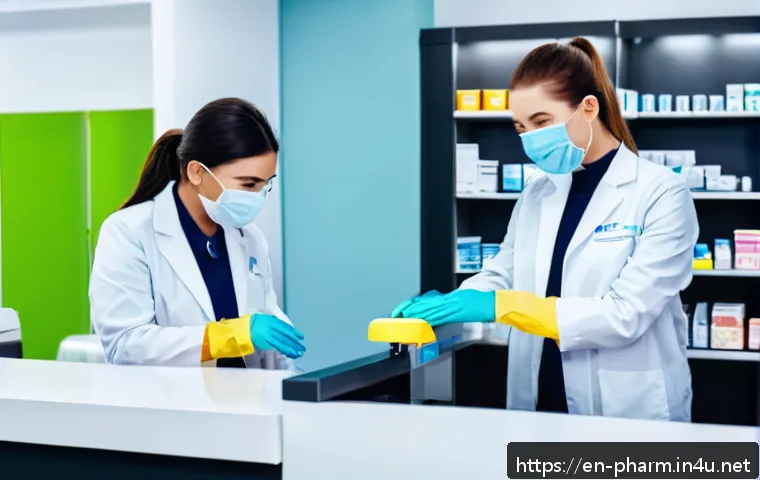
You know, for years, the image of a pharmacist meticulously counting pills by hand was pretty standard. And while their dedication is absolutely admirable, let’s be real—humans get tired, right? That’s where automated dispensing systems have literally swooped in to revolutionize how our prescriptions are filled. I’ve seen some of these machines in action, and honestly, it’s like watching a perfectly choreographed ballet of medicine. They can manage inventory, track usage, and dispense medications with a level of accuracy that a human simply can’t consistently match, drastically cutting down on the potential for dispensing errors. Think about it: a machine doesn’t get distracted by a ringing phone or a sudden question from a patient. This consistent, unwavering precision significantly boosts medication safety and allows pharmacists to step away from repetitive tasks. What I find particularly impressive is how these systems are not just about speed, but about establishing an ironclad layer of verification. They can even integrate with patient medical record systems to ensure that the medication being dispensed is not only accurate but also safe for the patient based on their complete prescription history. It truly transforms the pharmacy workflow, creating a smoother, more secure process from start to finish.
Robots Taking on Routine Tasks
- These intelligent machines handle the heavy lifting, like counting, labeling, and packaging, freeing up pharmacists for more critical duties. It’s not just about getting pills into a bottle; it’s about doing it quickly and without a single misstep.
- My personal takeaway from seeing this tech deployed is that it dramatically reduces the chances of human error. We’re talking about potentially eliminating mistakes like wrong drug, wrong strength, or incorrect quantity. It’s a huge win for patient safety and for giving pharmacists the bandwidth to focus on what only they can do.
Seamless Inventory and Workflow Optimization
- Automated systems are geniuses when it comes to inventory. They track stock levels in real-time, monitor expiration dates, and even manage reordering, which means pharmacies are less likely to run out of crucial medications or dispense expired ones. This also cuts down on waste, which is a win for everyone, including our wallets!
- By taking over these administrative tasks, pharmacists can spend more quality time consulting with patients, addressing concerns, and providing personalized care. Honestly, it shifts the focus from “counting pills” to “caring for people,” and that’s a transformation I can wholeheartedly get behind.
Smart Safeguards: AI and Machine Learning in Error Prevention
The concept of artificial intelligence in healthcare used to sound like something straight out of a sci-fi movie, didn’t it? But here we are, and AI is playing an absolutely crucial role in sniffing out potential medication errors before they ever become a problem. I’ve been blown away by how these sophisticated systems can analyze mountains of data in mere seconds, far beyond what any human brain could process. We’re talking about AI-powered clinical decision support systems that can flag potential drug interactions, check for allergies against a patient’s entire medical history, and even verify dosage accuracy in real-time. My son once received the wrong dose of medication, and the adverse effects were really eye-opening for me about the importance of these checks. Knowing that AI can now leverage machine learning algorithms to predict errors by analyzing prescribing behaviors and patient characteristics is just incredible. It’s like having an invisible guardian angel meticulously cross-referencing every single detail of your prescription against a vast universe of medical knowledge, identifying patterns and anomalies that might indicate a risk. This isn’t about replacing the pharmacist’s expertise; it’s about giving them an incredibly powerful assistant that never tires and never overlooks a detail, ultimately leading to a much safer dispensing process and giving both patients and healthcare providers immense confidence.
Predictive Analytics for Proactive Safety
- AI uses historical data and complex algorithms to predict where errors might occur, from identifying at-risk prescribing patterns to flagging potential adverse drug reactions before they happen. It’s a proactive approach that moves us beyond simply reacting to mistakes.
- I’ve learned that this capability extends to personalized medicine, where AI can analyze genetic information and health metrics to recommend the most effective drug dosages tailored to an individual. This means fewer trial-and-error situations and much safer, more effective treatments.
Real-Time Clinical Decision Support
- Imagine a system that instantly alerts pharmacists to potential contraindications or dangerous drug combinations at the point of order entry. That’s exactly what AI-powered clinical decision support systems do. They are integrated with electronic health records, offering real-time recommendations to prevent errors.
- From my perspective, this technology is invaluable, especially with the complexity of modern polypharmacy. It’s an extra layer of vigilance that ensures every prescription is meticulously vetted, making the whole process significantly more robust and trustworthy.
Digital Identification: Barcode and RFID Tracking
Remember when grocery stores first started using barcode scanners, and it felt like magic? Well, that same fundamental concept, supercharged with modern capabilities, is absolutely vital in pharmacy safety today. Barcode verification systems have been a game-changer for years, ensuring the “Five Rights” of medication administration: right patient, right drug, right dose, right route, and right time. But now, Radio Frequency Identification (RFID) technology is taking things even further. When I first learned about RFID in pharmacies, my mind immediately went to how much more secure and efficient this makes everything. Instead of scanning each item individually, RFID tags allow for multiple items to be tracked simultaneously and in real-time, wirelessly. This means that from the moment a medication arrives at the pharmacy to when it’s dispensed, there’s a continuous, invisible thread of information tracking its journey. It helps prevent counterfeiting, ensures proper inventory rotation (first-in, first-out to avoid expired meds!), and significantly reduces manual data entry errors. It’s an incredible layer of oversight that catches potential mix-ups before they even have a chance to occur, giving pharmacists and patients a much higher degree of certainty and confidence in the medication supply chain. I truly believe that knowing your medication has been tracked with such precision offers a profound sense of security.
Enhanced Verification at Every Step
- Barcode scanning at various points—receiving, dispensing, and even at the patient’s bedside—ensures the medication matches the prescription and the patient. It’s a simple yet powerful safeguard that prevents a multitude of potential errors.
- With RFID, tags on medication boxes and bottles contain crucial details like National Drug Code, lot number, and expiration date, which can be read instantly and remotely. This real-time visibility is fantastic for managing sensitive inventory and ensuring product authenticity.
Streamlined Inventory and Recall Management
- RFID technology dramatically improves inventory accuracy by providing real-time data on stock levels and expiration dates. For anyone who’s ever worried about drug shortages or receiving an expired product, this is a massive relief.
- In the unfortunate event of a drug recall, RFID can accelerate the process of identifying and removing affected batches, saving countless hours of manual work and, more importantly, protecting patients rapidly. This proactive capability is something I find incredibly reassuring.
Beyond the Counter: The Impact of Telepharmacy and Remote Care
If there’s one area of pharmacy innovation that truly speaks to accessibility and convenience, it’s telepharmacy. Living in a world that’s increasingly digital, it just makes sense that healthcare services would follow suit. Telepharmacy leverages video calls, secure messaging, and electronic health records to connect patients with pharmacists remotely. This is huge, especially for folks in rural areas who might not have a physical pharmacy nearby or for those who simply can’t make it in during business hours. I’ve heard countless stories of people struggling to get to appointments or clarify medication instructions, and telepharmacy is a brilliant solution to these barriers. It’s not just about getting your prescription verified remotely; it’s about comprehensive medication therapy management, where a pharmacist can review your entire medication regimen, assess adherence, and provide personalized counseling, all from a distance. This ensures continuity of care, reduces wait times, and, most importantly, enhances safety by making expert advice readily available. For high-risk processes like chemotherapy preparation in hospitals, telepharmacy even allows pharmacists to remotely verify critical steps, significantly reducing error potential without having to be physically present in a cleanroom. It’s truly a testament to how technology can bridge gaps and bring essential care closer to those who need it most, without compromising on safety or quality.
Expanding Access to Pharmaceutical Expertise
- Telepharmacy breaks down geographical barriers, allowing patients in underserved areas to access essential pharmacist consultations and medication management services. It’s about ensuring everyone, regardless of their location, can benefit from expert pharmaceutical care.
- I’ve observed how remote consultations improve medication adherence by making it easier for patients to get their questions answered and receive timely advice, fostering a stronger patient-pharmacist relationship.
Remote Verification and 24/7 Support
- Many hospitals now use inpatient telepharmacy for remote order entry and verification, allowing pharmacists to review medication orders before administration, even outside of regular hours. This means an extra set of expert eyes on every prescription, around the clock, significantly boosting safety.
- This 24/7 availability is a game-changer for preventing errors, particularly in critical situations, and it helps ensure compliance with regulatory standards that demand constant oversight.
Empowering Patients: Digital Health Tools and Engagement

Let’s be honest, in today’s fast-paced world, keeping track of multiple medications, remembering refill dates, and understanding complex instructions can be a lot. That’s why I get so excited about the surge in digital health tools and patient engagement apps! These aren’t just fancy gadgets; they’re genuinely empowering patients to take a more active, informed role in their own health journey, which ultimately leads to better safety outcomes. Think about mobile apps that send personalized medication reminders, track dosages, and even log potential side effects. I know for myself, a simple reminder can make all the difference, especially on a busy day. These apps can even connect patients directly with their pharmacists for quick questions or refill requests, fostering real-time communication that’s vital for safety. It bridges that gap between pharmacy visits, ensuring that patients feel supported and informed every step of the way. Beyond reminders, some apps provide educational resources in an easy-to-understand format, which is huge for health literacy. When patients truly understand *why* they’re taking a medication and what to expect, they’re far more likely to adhere to their regimen and identify any issues early on. It’s about putting valuable tools directly into the hands of patients, making medication management less daunting and much safer.
Personalized Medication Management Apps
- Apps like Medisafe or Dosecast offer features like virtual pillboxes, customized reminders, and even alerts for friends or family if a dose is missed. They are designed to fit into our busy lives, ensuring we stay on track.
- These tools can log past doses, track adherence, and provide a clear history that can be shared with healthcare providers, improving communication and personalized care. From my experience, clear communication is always key to preventing errors.
Interactive Education and Communication Platforms
- Patient engagement platforms provide access to trustworthy health information, helping us understand our medications, potential side effects, and why adherence is so critical. Knowledge truly is power when it comes to our health.
- Secure messaging features within these apps allow for direct, timely communication between patients and pharmacists, facilitating quick resolution of questions or concerns without needing an in-person visit. This responsive support is a significant safety net.
Illuminating Insights: Harnessing Data Analytics for Safety Trends
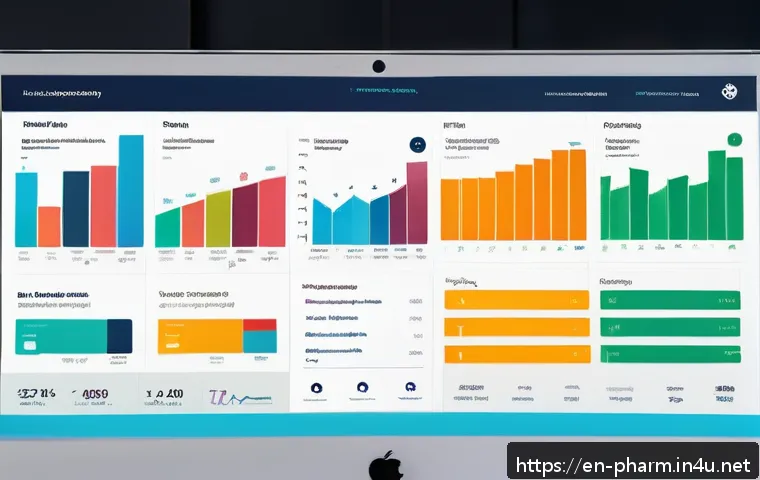
If there’s one thing modern technology has given us in spades, it’s data – and boy, is that data a goldmine for improving pharmacy safety! When I delve into how pharmacies are using data analytics, it feels like they’re shining a super-bright spotlight on every single aspect of medication use. It’s not just about individual prescriptions anymore; it’s about looking at the big picture to spot trends and potential risks across entire patient populations. By collecting and analyzing vast datasets, pharmacies can identify patterns in adverse drug reactions earlier, predict medication demand, and even uncover specific prescribing behaviors that might lead to errors. I’ve always believed that understanding the ‘why’ behind an issue is the first step to solving it, and data analytics provides exactly that. This proactive risk management allows healthcare systems to adjust protocols, refine safety measures, and tailor interventions to improve medication adherence. For example, if data shows a spike in a certain type of error in a particular demographic, pharmacists can then implement targeted educational programs or adjust dispensing workflows to address that specific vulnerability. It’s about transforming raw information into actionable insights that enhance overall patient care and safety, moving us towards a much more informed and preventative approach to medicine.
Identifying Risks and Patterns
- Data analytics helps pharmacists monitor prescription patterns, detect potential medication conflicts, and track patient adherence on a larger scale. This allows for a bird’s-eye view of what’s working and what isn’t, enabling strategic adjustments.
- By using advanced algorithms, researchers can quickly identify trends in adverse drug reactions (ADRs), often much faster than traditional methods, leading to earlier interventions and safer drug use.
Optimizing Workflows and Inventory
- Beyond patient safety, data analytics plays a huge role in operational efficiency. It can predict medication demand, automate inventory management, and uncover revenue opportunities by streamlining processes. A well-run pharmacy is a safer pharmacy, plain and simple.
- This data-driven approach means fewer stockouts of critical medications and less waste from expired products, ultimately leading to better resource allocation and a more reliable medication supply for patients.
The Human Touch: Empowering Pharmacists with Technology
While we talk a lot about the incredible advancements in automation and AI, it’s absolutely vital to remember that technology isn’t replacing pharmacists; it’s empowering them. I’ve often heard people worry that machines will take over, but from what I’ve observed, it’s quite the opposite. These innovations are actually freeing up pharmacists from tedious, repetitive tasks, allowing them to focus their invaluable expertise and human touch where it matters most: direct patient care. Imagine a pharmacist no longer spending hours counting pills or manually reconciling inventory, but instead dedicating that time to counseling patients on their medication regimens, identifying complex drug interactions, or offering personalized health advice. Technology like automated dispensing systems and AI-powered verification tools act as a powerful safety net, catching potential errors that might slip past a busy human, no matter how skilled. This allows pharmacists to elevate their role from mere dispensers to true clinical partners, collaborating more closely with other healthcare professionals and engaging deeply with patients. It’s a shift that leverages technology to amplify human intelligence and compassion, fostering a more secure and patient-centric healthcare experience. I genuinely believe this evolution makes the pharmacist’s role even more impactful and fulfilling, leading to better outcomes for all of us.
Elevating Clinical Roles
- By automating routine tasks like counting, labeling, and inventory checks, technology allows pharmacists to spend more time on clinical activities such as medication therapy management, patient counseling, and complex drug interaction analysis. It’s a fantastic evolution of their crucial role.
- My observation is that this shift ultimately enhances patient care. Pharmacists can build stronger relationships with patients, offering more personalized support and education, which directly contributes to better adherence and safety.
Enhancing Collaboration and Decision-Making
- Technology facilitates seamless communication between pharmacists, physicians, and other healthcare providers through electronic health records and secure messaging platforms. This integrated approach ensures coordinated care and minimizes risks associated with fragmented information.
- AI-driven decision support tools provide pharmacists with real-time insights and alerts, helping them make more informed and accurate decisions, especially in complex cases. It’s like having an expert consultant available instantly, enhancing their already deep knowledge.
| Technology | Primary Safety Benefit | How It Works (My Experience) | Patient/Pharmacist Impact |
|---|---|---|---|
| Automated Dispensing Systems | Reduces human dispensing errors | I’ve seen these robots flawlessly count and package medications, removing manual counting mistakes. | Patients get accurate prescriptions; pharmacists focus on care. |
| AI & Machine Learning | Identifies potential drug interactions & dosage errors | The system cross-references patient history with prescriptions, flagging risks I might never spot. | Personalized, safer dosages; fewer adverse reactions. |
| Barcode & RFID Tracking | Ensures medication authenticity & correct patient matching | Every bottle has a digital fingerprint, tracked from warehouse to my hand, preventing mix-ups. | Confidence in medication origin; correct drug for the correct person. |
| Telepharmacy | Expands access to expert pharmacist consultations | I’ve used video calls to get medication advice, making it so much easier and quicker. | Convenient, timely advice; better adherence for all. |
| Patient Engagement Apps | Improves medication adherence & patient education | My own app reminds me to take my pills and explains what they do, so I never miss a dose. | Empowered patients; reduced missed doses and better health outcomes. |
| Data Analytics | Identifies safety trends & systemic risks | Pharmacies can spot common errors across thousands of prescriptions and then fix the underlying issues. | Proactive safety improvements; targeted interventions. |
Wrapping Up
Wow, what a journey through the incredible world of pharmacy innovation, right? It’s truly inspiring to see how technology isn’t just a buzzword but a powerful force genuinely making our healthcare experiences safer, more efficient, and incredibly empowering.
From the precision of robotic dispensing to the vigilant eye of AI, and the reassuring presence of digital tracking, every advancement we’ve explored is a testament to our collective commitment to patient well-being.
I feel a real sense of optimism for the future, knowing that these smart safeguards are continuously evolving, ensuring that when you step into a pharmacy or manage your medications at home, you’re backed by layers of cutting-edge protection.
It’s truly about giving us all, as patients, that much-needed peace of mind.
Helpful Tips & Info You’ll Love
1. Always Be Your Own Advocate: Even with all these amazing tech advancements, never hesitate to ask your pharmacist questions about your medication. Double-check dosage, instructions, and potential side effects. Your active participation is still one of the best safety nets!
2. Embrace Digital Tools: If your pharmacy offers a patient portal or a medication reminder app, download it! I’ve found these tools to be incredibly helpful for staying organized, remembering refills, and having a direct line to my healthcare team for quick questions. They genuinely simplify medication management.
3. Understand Your Medication List: Keep an up-to-date list of all your current medications, including over-the-counter drugs, supplements, and vitamins. Share this list with all your healthcare providers – it’s crucial for preventing dangerous drug interactions, and I can’t stress this enough.
4. Seek Telepharmacy Services: If you live in a remote area, have mobility challenges, or just prefer the convenience, explore telepharmacy options. It’s a fantastic way to access expert advice and medication management without the hassle of a physical visit, ensuring continuity of care.
5. Report Concerns Immediately: If something feels off with a prescription—maybe the pill looks different, or the instructions seem unclear—don’t wait. Contact your pharmacy or doctor right away. Trust your gut; it’s always better to be safe than sorry, and healthcare professionals appreciate your vigilance.
Key Takeaways
The landscape of pharmacy safety is undergoing a remarkable transformation, driven by innovations that are making medication management more accurate and secure than ever before.
Automated dispensing systems and AI are drastically reducing human error by ensuring precision in preparation and identifying potential drug interactions.
Barcode and RFID technologies provide unparalleled tracking and verification, safeguarding against counterfeits and mix-ups. Furthermore, telepharmacy expands access to expert care, while patient engagement apps empower individuals to actively manage their health.
Ultimately, these advancements free up pharmacists to focus on crucial patient interactions, elevating the overall quality and safety of healthcare. It’s an exciting time to be a patient, with technology continuously working to protect our well-being.
Frequently Asked Questions (FAQ) 📖
Q: What are some of these incredible, cutting-edge systems that are making our medication process safer, and how do they actually prevent errors?
A: Oh, this is where it gets really exciting! From what I’ve seen and learned, pharmacies are integrating some truly revolutionary tech. Think of things like automated dispensing systems – these are essentially robots that meticulously count, sort, and package pills, drastically reducing the chances of human counting errors or mix-ups.
When I first heard about them, I pictured giant, clunky machines, but they’re incredibly precise and efficient, handling prescriptions in seconds. Then there’s barcode scanning and RFID technology, which is a total game-changer for verification.
Each medication and even patient prescriptions get their own unique barcode or RFID tag. Before you receive your meds, the system scans both, cross-referencing to ensure you’re getting the exact drug, dosage, and form your doctor ordered.
It’s like a double-check on steroids! My personal experience with this has been hugely reassuring; seeing the pharmacist scan everything makes me feel incredibly confident that no stone has been left unturned.
And let’s not forget advanced AI and clinical decision support systems. These intelligent systems analyze a patient’s full health record, cross-referencing medications for potential drug interactions, allergies, and appropriate dosages based on their history.
It’s like having an ultra-vigilant second brain constantly reviewing everything, catching potential red flags that even the most meticulous human might miss under pressure.
I’ve heard pharmacists talk about how these systems free them up from some of the more routine checks, allowing them to focus their expertise on complex cases and direct patient consultation.
Q: That’s fantastic! But with all this technology, does it mean pharmacists are becoming less important, or is their role changing?
A: That’s a really insightful question, and it’s something I’ve seen discussed a lot. From my perspective, and from what the experts are saying, it’s absolutely not about pharmacists becoming less important.
Quite the opposite, actually! Their role is evolving and becoming even more crucial. These technologies are designed to automate the repetitive, high-volume tasks that were once prone to human error and took up a huge chunk of a pharmacist’s time – things like counting pills or basic inventory management.
This frees them up to do what they do best: apply their extensive clinical knowledge and have meaningful interactions with us, the patients. I’ve noticed my pharmacist now has more time to explain medications in detail, offer personalized advice, and genuinely answer my questions, which honestly makes a huge difference in my understanding and adherence.
They can now focus more on medication therapy management, identifying potential side effects, discussing lifestyle adjustments, and collaborating more closely with doctors and other healthcare providers to ensure holistic patient care.
It’s less about the manual ‘stuff’ and more about the ‘brainy’ and ‘compassionate’ aspects of their profession. It’s a shift from being primarily dispensers to becoming even more integral healthcare advisors, which, if you ask me, is a massive win for patient safety and overall well-being.
Q: How widespread are these technologies, and what should I expect when I visit my local pharmacy in terms of these new safety measures?
A: That’s a great practical question! The adoption of these advanced technologies is definitely on the rise, and it’s becoming more and more common to see them in both large chain pharmacies and independent local spots.
While it might not be uniform across every single pharmacy just yet, the trend is moving rapidly towards widespread integration because the benefits in safety and efficiency are simply too significant to ignore.
When you step into your local pharmacy, you might not always see the big robotic dispensing arms right out front – sometimes they’re tucked away in the back!
However, you’ll likely notice several clues. For instance, the barcode scanning at the point of dispensing is a very common and critical safety step, so keep an eye out for that when your prescription is being processed.
You might also observe pharmacists spending more focused time on patient counseling, thanks to the automation handling the more mundane tasks. I’ve personally started to feel a lot more confident, knowing that these safeguards are increasingly becoming the standard.
If you’re curious, don’t hesitate to ask your pharmacist or the pharmacy technician about the safety measures they have in place. They’re usually really proud to share how they’re leveraging technology to protect you.
The future is looking incredibly bright for pharmacy safety, and it’s an exciting time to be a patient benefiting from these innovations!