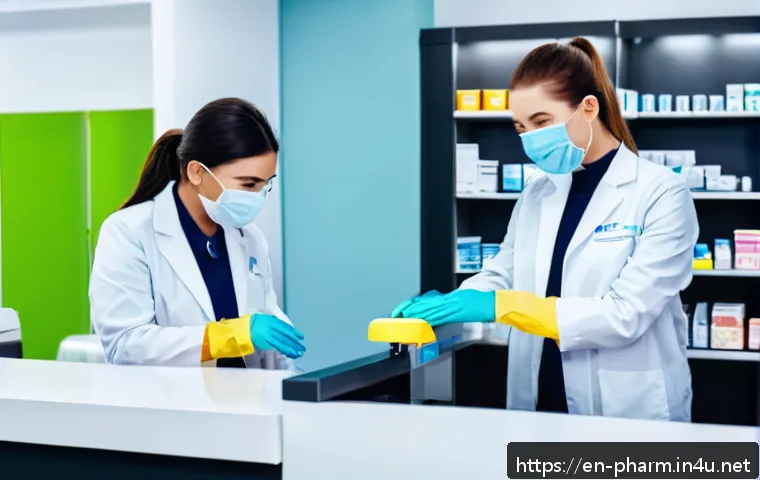
Ever wondered about the person behind the pharmacy counter or the one meticulously reviewing prescriptions in a bustling hospital? We often see pharmacists, but their world is far more complex and varied than just dispensing pills.
I remember thinking for the longest time that a pharmacist was just a pharmacist, no matter where they worked. But boy, was I wrong! The roles, responsibilities, and even the daily challenges faced by a hospital pharmacist are surprisingly different from their counterparts in your local community pharmacy.
It’s a fascinating dive into how specialized healthcare truly is, and understanding these distinctions can actually help you better navigate your own health journey.
It’s truly incredible to witness how vital pharmacists are, regardless of their setting, especially with the ever-evolving landscape of medicine and patient care today.
The shift towards personalized medication, complex drug regimens, and the sheer volume of new treatments means their expertise is more critical than ever.
From managing intricate drug interactions in a critical care setting to providing essential patient education and administering vaccines in the neighborhood, their contributions are immense.
I’ve personally seen how a well-informed pharmacist can make all the difference, clarifying dosages or spotting potential issues that could impact a patient’s well-being.
This isn’t just about different workplaces; it’s about two distinct, yet equally crucial, career paths within the same noble profession. Stick around, and we’ll dive deeper into exactly what sets these two vital roles apart.
Navigating the Professional Landscape: A Day in the Life
I remember a time when I truly thought a pharmacist was just a pharmacist, full stop. Whether they were at the corner drugstore or a bustling hospital, I figured their day-to-day was pretty much the same: counting pills, labeling bottles, and maybe answering a few questions.
Oh, how wrong I was! Stepping into the world of healthcare, you quickly realize just how specialized every role is, and pharmacists are no exception. The environments alone are enough to shape entirely different skill sets and daily routines.
Think about it: one is a patient-facing hub of wellness, often the first stop for minor ailments, while the other is an intricate cog in a massive healthcare machine, dealing with life-and-death situations minute by minute.
It’s like comparing a cozy neighborhood cafe to the high-stakes kitchen of a Michelin-starred restaurant – both serve food, but the ingredients, pressure, and clientele are worlds apart.
This fundamental difference in setting isn’t just about where they hang their white coat; it profoundly influences everything from drug procurement to patient counseling.
It shapes the very essence of their professional identity and the impact they have on patient lives.
The Community Hub vs. The Clinical Core
When you walk into your local pharmacy, you’re greeted by a space designed for accessibility and comfort. The shelves are stocked, often with everything from medication to greeting cards, and the pharmacist is usually visible, ready for quick consultations.
Their focus often leans towards wellness, preventative care, and managing common conditions. Conversely, a hospital pharmacy is a behind-the-scenes powerhouse.
It’s a highly secure, sterile environment, often tucked away, where the focus is entirely on the precise and timely delivery of medications to inpatients, operating rooms, and emergency departments.
You won’t find over-the-counter cough syrup here; instead, you’ll see advanced compounding machines, robotic dispensing systems, and complex sterile preparation areas.
It truly opened my eyes to realize that while both roles champion patient health, the *how* and *where* of it diverge dramatically, demanding unique expertise from each.
Pacing and Pressure: Adapting to the Flow
The pace in a community pharmacy can be wonderfully dynamic, with rushes during peak hours and quieter moments for in-depth patient discussions or administrative tasks.
It’s a rhythm many of us can relate to, allowing for a certain degree of predictability. However, in a hospital, especially a large trauma center, the pace is often relentless and unpredictable.
An emergency code could drop at any moment, demanding immediate, critical medication preparation. The pressure isn’t just about speed; it’s about absolute accuracy under extreme duress, where a single error could have catastrophic consequences.
I’ve heard stories from hospital pharmacist friends about preparing stat doses for a cardiac arrest patient, knowing that every second truly counts. That kind of pressure builds a resilience and precision that’s hard to replicate in other settings, making their contribution during critical moments absolutely invaluable.
Patient Engagement: Beyond the Prescription Label
One of the most striking differences I’ve observed between these two pharmacy settings lies in the nature of their patient interactions. In a community pharmacy, you often build long-term relationships with patients.
You might know their family, their health history, and even their preferences. It’s a very personal, often face-to-face interaction where the pharmacist serves as an accessible healthcare touchpoint, answering questions about new medications, discussing side effects, or even administering flu shots.
They become a trusted advisor in a patient’s ongoing health journey, offering continuity of care that’s incredibly reassuring. I’ve seen firsthand how a community pharmacist’s friendly demeanor and willingness to explain things thoroughly can put a nervous patient at ease, turning a quick pick-up into a valuable health consultation.
This sustained interaction allows for a deeper understanding of a patient’s lifestyle and challenges, fostering a level of trust that’s hard to achieve in transient settings.
Counseling at the Counter vs. Consulting at the Bedside
In the community setting, patient counseling is a cornerstone. Pharmacists spend significant time explaining how to take medications, potential interactions with other drugs or foods, and lifestyle modifications.
They empower patients to manage their own health effectively. In a hospital, direct patient counseling, while still important, often takes on a different form and priority.
Hospital pharmacists primarily interact with nurses and doctors, serving as expert consultants on drug selection, dosing, and monitoring for complex inpatient cases.
While they might occasionally speak directly with a patient or family, their primary role is often behind the scenes, ensuring the right drug gets to the right patient at the right time, minimizing errors and optimizing therapy within a multi-disciplinary team.
They are the drug experts informing the clinical decisions made by the entire care team, making sure that even in critical situations, medication protocols are flawless.
Addressing the Broader Spectrum of Needs
Community pharmacists often address a broad spectrum of patient needs, from managing chronic conditions like diabetes and hypertension to advising on over-the-counter remedies for colds and allergies.
They’re also increasingly involved in public health initiatives, such as vaccination programs. This breadth requires a vast, general knowledge base and excellent communication skills to tailor information to diverse audiences.
Hospital pharmacists, on the other hand, often deal with critically ill patients, complex intravenous medications, oncology regimens, and specialized drug therapies that require an incredibly deep and focused expertise.
Their patient interactions, though perhaps fewer in number, are often incredibly high-stakes, requiring a meticulous approach to prevent adverse drug events in vulnerable populations.
The stakes are so much higher within the hospital walls, making their precise advice absolutely critical.
Medication Management: Precision in Practice
The sheer scope of medication management between a retail pharmacy and a hospital setting is truly eye-opening. At your local pharmacy, the focus is largely on dispensing pre-packaged oral medications, creams, and liquids, often in standard dosages.
Inventory management is about keeping popular drugs in stock and managing prescriptions efficiently for a generally stable patient population. It’s a critical logistical challenge, of course, but one that operates within somewhat predictable parameters.
What surprised me when I first looked into this was how intricate the supply chain and dispensing process becomes when you’re dealing with hundreds, sometimes thousands, of different medications, many of which are high-alert drugs, narcotics, or require special handling and storage.
It’s a level of complexity that frankly blew my mind, far beyond just keeping the shelves stocked with popular painkillers.
From Pill Bottles to IV Bags: Diverse Preparations
In a community pharmacy, most medications arrive pre-formulated and ready for dispensing. The pharmacist’s role involves verification, labeling, and patient counseling.
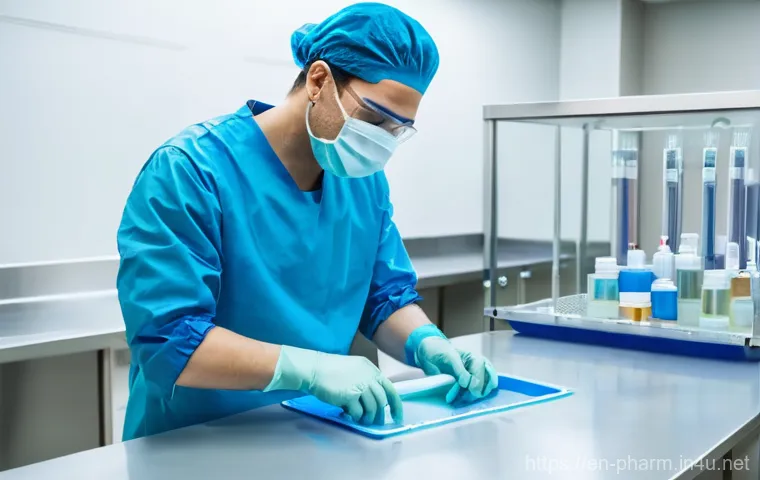
There’s some compounding for specialized needs, but it’s not the norm. Hospital pharmacies, however, are often miniature manufacturing facilities. They compound sterile intravenous solutions, prepare chemotherapy drugs in specialized hoods, and custom-mix medications for pediatric patients or those with unique dosing requirements.
This requires an entirely different set of skills, including aseptic technique, knowledge of stability and compatibility, and stringent quality control.
I’ve heard pharmacists describe the sterile compounding lab as an art form, where precision is paramount, and every step is meticulously documented to ensure patient safety.
It’s a far cry from counting pills, involving advanced scientific knowledge and manual dexterity.
Formularies and Procurement: A World of Difference
Community pharmacies generally stock medications based on market demand and insurance formularies. Their purchasing decisions are often driven by price and patient volume.
In a hospital, the formulary – the list of approved medications – is a highly controlled document, often developed by a pharmacy and therapeutics committee.
Procurement is not just about cost; it’s about efficacy, safety, and integration into complex treatment protocols for a diverse range of conditions, from rare diseases to common surgeries.
Hospital pharmacists are deeply involved in evaluating new drugs, managing drug shortages, and ensuring critical medications are always available for emergencies.
This strategic role impacts patient care on a systemic level, ensuring that the hospital has the most effective and safest tools in its arsenal to treat virtually any condition that walks through its doors.
It’s a heavy responsibility that impacts every patient within that facility.
Emergency Preparedness and Critical Care Contributions
When you think of emergencies, your mind probably jumps to doctors and nurses, right? Mine certainly did. But I quickly learned that pharmacists are absolutely integral to saving lives in critical situations, though their roles differ significantly depending on their environment.
Imagine a sudden heart attack or a major trauma; every second counts. In a hospital, the pharmacist isn’t just stocking meds; they are often embedded in the emergency response team.
Their specialized knowledge of drug interactions, dosing in critical care, and rapid preparation of life-saving medications makes them indispensable. They are the quiet heroes behind the scenes, ensuring that when a patient crashes, the medical team has the right pharmacological tools at their fingertips, instantly.
It’s an incredibly high-pressure, high-stakes environment where their expertise directly translates to patient survival.
Rapid Response in the Hospital Setting
In a hospital, particularly in an emergency room or intensive care unit, pharmacists are often called upon for immediate consultation during medical emergencies.
They advise on appropriate drug selection, calculate complex doses for critically ill patients, and identify potential drug interactions that could further complicate a patient’s condition.
They might be preparing a continuous infusion for a patient in septic shock or rapidly dispensing antidotes for an overdose. This on-the-spot expertise can be the difference between life and death.
The speed and accuracy required are astounding, reflecting years of training and a deep understanding of pharmacology under pressure. I’ve heard stories of pharmacists literally running codes with the medical team, their drug knowledge guiding critical decisions in real-time.
Community Pharmacists: First Responders for Prevention and Post-Crisis
While community pharmacists aren’t typically responding to a Code Blue, their role in emergency preparedness and post-crisis care is equally vital. They are often the most accessible healthcare professionals in a community, providing vaccinations that prevent widespread illness, educating the public on disaster preparedness, and managing medication refills for displaced populations during natural disasters.
After a local emergency, like a severe storm or power outage, community pharmacies are often among the first to reopen, providing essential medications and advice to a community in need.
They act as a critical link, ensuring continuity of care and support when other healthcare services might be temporarily unavailable. Their preparedness helps keep communities resilient and healthy long before an emergency strikes, and helps them recover afterward.
Professional Development and Specialization Pathways

When I first considered pharmacy, I thought it was a fairly linear career path: graduate, pass your boards, and start dispensing. Boy, was that an oversimplification!
The truth is, both hospital and community pharmacy offer incredibly rich and diverse opportunities for professional growth, though the specific avenues for specialization can be quite distinct.
It’s not just about what you *do* but also about the depth of knowledge you need to acquire in specific areas. What truly excites me about this profession is the constant evolution and the endless possibilities to hone your craft, whether you’re delving into the minutiae of pharmacogenomics or becoming a beacon of public health in your neighborhood.
There’s always something new to learn, a new challenge to tackle, and a new way to impact patient lives.
Specialties in the Hospital World
Hospital pharmacists have a fascinating array of specialization options. They can pursue residencies and fellowships in areas like critical care, oncology, infectious diseases, pediatrics, cardiology, or even specialized fields like transplant pharmacy.
These roles involve becoming the absolute expert in their chosen area, often participating in rounds with physicians, designing complex medication regimens, and conducting research.
It’s a path that leads to incredibly deep clinical expertise and often involves direct collaboration with other medical specialists. Imagine being the go-to person for all drug-related questions for cancer treatment – that’s the level of expertise a hospital specialist pharmacist brings to the table, making a profound impact on patients undergoing very intensive therapies.
Evolving Roles in Community Pharmacy
Community pharmacy, while often seen as generalist, is also rapidly expanding its specialization pathways. Pharmacists can specialize in areas like diabetes education, medication therapy management (MTM), travel health, immunizations, and even veterinary pharmacy.
Many are becoming certified clinical pharmacists, taking on more advanced roles in managing chronic diseases in collaboration with primary care physicians.
There’s a growing emphasis on pharmacists as providers of enhanced services, expanding beyond dispensing to offer direct patient care. This evolution allows community pharmacists to become highly specialized clinical resources within their neighborhoods, providing targeted care and significantly improving health outcomes for their local patient population.
The shift from “pill counter” to “patient care provider” is exciting and offers huge potential for growth.
Leveraging Technology: Tools of the Trade
The world of pharmacy, regardless of setting, has been utterly transformed by technology. Gone are the days of purely manual counting and paper records.
However, the specific technological tools and how they are integrated into daily workflow truly highlight the operational differences between hospital and community settings.
What might be a helpful efficiency tool in one setting becomes an absolute necessity for patient safety in another. I’ve always been fascinated by how technology adapts to different needs, and pharmacy is a prime example.
The innovation aimed at reducing errors and improving patient outcomes is just incredible, and seeing it in action gives you a real appreciation for the complexities involved.
Advanced Automation in Hospitals
Hospital pharmacies are often at the forefront of automation. We’re talking about sophisticated robotic dispensing systems that can pick, package, and label medications, minimizing human error and maximizing efficiency.
Automated dispensing cabinets (ADCs) like Pyxis or Omnicell are ubiquitous in patient care areas, ensuring medications are readily available at the bedside while maintaining strict inventory control.
Barcode medication administration (BCMA) systems are standard, scanning both the patient’s wristband and the medication to ensure the five rights of medication administration (right patient, right drug, right dose, right route, right time) are met every single time.
These technologies aren’t just about speed; they are critical safeguards in a high-risk environment, a digital safety net ensuring that crucial drug delivery is as flawless as humanly possible.
Digital Tools for Community Engagement
Community pharmacies also heavily rely on technology, but often with a focus on patient convenience and communication. Electronic prescribing (e-prescribing) systems are standard, streamlining the prescription process and reducing transcription errors.
Patient portals and mobile apps allow for prescription refills, medication reminders, and direct communication with the pharmacy team. Interactive voice response (IVR) systems handle routine calls, freeing up pharmacists for more complex patient interactions.
While perhaps not as flashy as hospital robots, these tools are vital for managing high volumes of prescriptions, facilitating patient access, and enhancing the overall patient experience.
They empower patients to take a more active role in their health management and make the entire process of getting their medications much smoother and more efficient.
| Feature | Community Pharmacist | Hospital Pharmacist |
|---|---|---|
| Primary Patient Interaction | Direct, long-term relationships, counseling | Indirect, consultative with medical staff, occasional direct patient contact |
| Medication Focus | Standard oral doses, OTCs, chronic disease management | Complex IVs, sterile compounding, high-alert drugs, acute care |
| Work Environment | Retail setting, public-facing, varied pace | Clinical setting, secured areas, fast-paced, critical care |
| Emergency Response | Preventative care (vaccines), post-crisis support | Direct participation in medical codes, immediate drug consultation |
| Technology Use | E-prescribing, patient portals, automated refills | Robotic dispensing, automated dispensing cabinets, barcode administration |
| Specialization Examples | Diabetes education, MTM, travel health | Oncology, critical care, infectious disease, pediatrics |
The Human Element: What Truly Drives Each Pharmacist
Beyond the technical skills and the differing environments, what always strikes me is the core motivation that drives pharmacists in both settings. It’s not just about the science; it’s about a deep-seated desire to help people.
While the daily expressions of this drive might look different, the underlying passion for patient well-being is a universal thread connecting every pharmacist I’ve ever met.
It’s what gets them through the long hours, the complex cases, and the emotional weight that often comes with working in healthcare. Seeing a patient get better, or knowing you’ve prevented a serious error, is a reward that transcends any monetary compensation, providing a profound sense of purpose.
Building Trust in the Neighborhood
For community pharmacists, much of their satisfaction comes from being a trusted pillar in their local community. They often witness the direct impact of their advice on a patient’s health journey, from helping someone manage their blood pressure to seeing a child recover from an illness thanks to the right medication.
That consistent, human connection, being recognized and valued by the people they serve daily, creates a unique sense of fulfillment. It’s about being accessible, relatable, and consistently reliable, earning the trust of individuals and families over years.
I’ve heard community pharmacists speak with such pride about their long-standing patients, almost like an extended family, and that genuine connection is truly heartwarming.
Impacting Care on a Systemic Level
Hospital pharmacists often find their reward in the broader, systemic impact they have on patient care. Their expertise contributes to optimizing treatment protocols for entire patient populations, preventing widespread medication errors, and ensuring that the most effective and safest drugs are available for complex conditions.
While their direct patient interactions might be fewer, their influence is often felt across hundreds of patients daily, through safer practices, better drug selection by the medical team, and improved hospital-wide outcomes.
The satisfaction comes from knowing their meticulous work and specialized knowledge are directly contributing to saving lives and improving health on a larger scale, often in the most critical moments of a patient’s life.
It’s a powerful, albeit often unseen, contribution that underpins the entire healthcare system.
글을 마치며
Whew, what a journey through the fascinating world of pharmacy! It’s truly incredible how two seemingly similar roles can diverge so profoundly, each demanding a unique blend of expertise, resilience, and compassion. My hope is that this deep dive has shed some light on the intricate contributions pharmacists make, whether they’re the friendly face at your local drugstore or a critical cog in a bustling hospital. Ultimately, both paths are united by a singular, unwavering commitment: the health and well-being of patients. It’s a powerful reminder that every professional, in their own unique setting, plays an indispensable part in the grand tapestry of healthcare, and understanding their distinct contributions only deepens our appreciation for the meticulous work they do every single day.
알아두면 쓸모 있는 정보
1. Don’t hesitate to ask your community pharmacist questions! They are a treasure trove of knowledge for minor ailments, medication interactions, and even general wellness advice. I’ve personally found their guidance invaluable when navigating over-the-counter options or understanding a new prescription. Think of them as your accessible healthcare guru, always ready to lend an ear and offer expert, personalized advice without needing an appointment, which can be a huge time-saver and peace of mind provider.
2. If you’re considering a career in pharmacy, explore both community and hospital settings through shadowing or internships. What looks good on paper might feel very different in practice. I’ve talked to many students who initially leaned one way and completely changed their mind after experiencing the daily rhythm of both environments. Hands-on experience is truly the best way to discover where your passion and skills will thrive, ensuring you find the perfect fit for your professional journey.
3. Always keep an updated list of all your medications, including over-the-counter drugs, supplements, and vitamins. Share this with *all* your healthcare providers, especially your pharmacist. This seemingly small step can prevent potentially dangerous drug interactions and ensure your care team has a complete picture of your health. It’s a simple habit that offers a huge safety net, something I always recommend to friends and family as a non-negotiable part of their health management routine.
4. Understand the concept of a “formulary” if you’re ever hospitalized or dealing with complex insurance. Hospital formularies dictate what drugs are readily available, and understanding why a specific medication might be chosen (or not chosen) can help you advocate for your care. While it might seem complex, a quick chat with your hospital’s pharmacy team can often clarify any questions you might have about your treatment plan’s pharmaceutical aspects, empowering you with valuable information during a vulnerable time.
5. Recognize the evolving role of pharmacists beyond just dispensing. Many community pharmacies now offer services like immunizations, medication therapy management (MTM), and even chronic disease coaching. Leverage these services! They can save you a trip to the doctor for certain needs and provide ongoing support for managing your health, empowering you to be a more active participant in your wellness journey. It’s truly amazing how much more pharmacists can do for you these days to help you live a healthier life.
중요 사항 정리
Reflecting on the distinct yet interconnected worlds of hospital and community pharmacy, it’s clear that while their operational landscapes and patient interactions differ significantly, both spheres are driven by an unwavering dedication to public health and patient well-being. Community pharmacists excel as accessible health educators and trusted advisors, fostering long-term relationships and proactively managing diverse wellness needs within local neighborhoods. Conversely, hospital pharmacists operate as highly specialized clinical experts, integrating seamlessly into critical care teams, ensuring medication precision in high-stakes environments, and impacting systemic patient outcomes. Each role, with its unique challenges and opportunities for specialization, forms an indispensable pillar of modern healthcare, demanding respect for the profound expertise and human element they bring to every interaction, every prescription, and every life they touch. It’s a testament to the versatility and crucial importance of the pharmacy profession in our intricate healthcare system.
Frequently Asked Questions (FAQ) 📖
Q: What exactly does a hospital pharmacist do on a daily basis compared to someone at my local pharmacy?
A: Oh, this is a question I hear so often, and it really highlights just how diverse our profession is! When I first started diving into the world of pharmacy, I honestly thought a pharmacist was just a pharmacist, no matter where they worked.
But I quickly realized that’s far from the truth. A hospital pharmacist’s day is often a whirlwind behind the scenes. They’re typically working closely with doctors and nurses, deeply embedded in patient care rounds, often verifying complex medication orders, and preparing specialized IV medications in sterile environments.
Think about managing drug interactions for critically ill patients in the ICU or ensuring a surgical patient gets the exact right dose at the right time.
It’s a high-stakes, highly collaborative environment where their focus is often on acute care, patient safety, and ensuring seamless transitions within the hospital system.
On the other hand, your community pharmacist, the friendly face you see, has a much more direct and frequent interaction with you! Their day is filled with dispensing prescriptions, yes, but also counseling patients on how to take their medications, recommending over-the-counter remedies, administering vaccines, and often managing chronic disease states through medication therapy management programs.
They’re usually the first point of contact for many health questions and play a huge role in public health initiatives. It’s about accessibility and continuity of care for the general public.
Both are incredibly vital, but their environments and immediate patient interactions are distinctly different, wouldn’t you agree?
Q: How do their responsibilities differ when it comes to ensuring patient safety and managing complex drug regimens?
A: This is where the specialized training of each role really shines, and it’s something I find absolutely fascinating! For a hospital pharmacist, patient safety often revolves around the incredibly complex medication profiles of inpatients.
Imagine someone who might be on ten different medications, some of which are very potent or have narrow therapeutic windows. The hospital pharmacist is the expert reviewing those charts, identifying potential drug-drug interactions, adjusting doses based on organ function (like kidney or liver issues), and even being part of emergency response teams to ensure the right medications are available immediately.
Their job is deeply intertwined with the clinical team, ensuring every medication decision made within the hospital walls is optimized for safety and efficacy.
It’s truly a rigorous, detail-oriented role. My experience has shown me just how critical their interventions can be in preventing adverse drug events.
Now, for the community pharmacist, their patient safety role is more about prevention and education in an outpatient setting. They’re often the last line of defense before a patient takes their medication home.
They’ll meticulously check for potential interactions with other medications you’re taking, explain side effects in clear, understandable terms, and make sure you know exactly how and when to take your medicine.
They’re also often identifying potential adherence issues or recognizing when a patient might need to see their doctor again due to a medication-related problem.
While a hospital pharmacist might manage a patient’s entire drug regimen acutely, a community pharmacist is focused on empowering you to manage your own health safely and effectively long-term.
Both are absolutely critical cogs in the patient safety wheel!
Q: If I’m thinking about a career in pharmacy, which path (hospital or community) should I consider, and what are the main factors to help me decide?
A: Oh, that’s such an exciting question, and it’s one I get asked a lot by aspiring pharmacists! Choosing between hospital and community pharmacy is a big decision, and honestly, there’s no single “better” path – it really boils down to your personal strengths, interests, and what kind of daily work environment truly energizes you.
From what I’ve seen and the pharmacists I’ve chatted with, if you thrive in a fast-paced, highly collaborative environment where you’re an integral part of a larger healthcare team, often dealing with acute, complex cases and deep clinical problem-solving, then hospital pharmacy might be your calling.
You’ll spend more time “behind the scenes” in a clinical setting, working alongside doctors and nurses, and your impact might be more immediate on critically ill patients.
It can be incredibly rewarding for those who love intricate medical puzzles and structured environments. On the flip side, if you’re someone who genuinely loves direct, frequent patient interaction, building relationships with people in your local community, and being a front-line healthcare educator, then community pharmacy could be an amazing fit.
You’ll be the accessible healthcare professional, counseling on a wide range of conditions, offering preventative care like immunizations, and really seeing the long-term impact of your patient education.
It often requires strong communication skills, empathy, and a knack for managing a busy retail environment. I’ve personally felt the immense satisfaction of helping a patient understand their new medication, knowing I’ve made their journey a little clearer.
My best advice? Try to get some exposure to both settings through internships or shadowing. Talk to pharmacists in both fields.
See which daily rhythm, patient interaction style, and level of clinical depth truly resonate with you. Both are incredibly noble and impactful professions, just in different, equally vital ways!