Hey everyone! As someone who’s always fascinated by how technology can revolutionize traditional fields, I’ve spent countless hours exploring the cutting edge of healthcare.

We all know pharmacists are absolute superheroes, juggling prescriptions, patient consultations, and ensuring drug safety, right? But imagine if they had a powerful sidekick, a system that could sift through mountains of drug data, flag potential interactions, and even predict patient responses in a blink.
It sounds like something out of a sci-fi movie, but believe me, it’s becoming our reality faster than ever before. The sheer potential for boosting efficiency, enhancing patient safety, and even paving the way for hyper-personalized medicine with a robust data analysis system is truly mind-blowing.
I’ve personally seen the challenges faced by healthcare professionals, and that’s precisely why I’m so passionate about sharing how we can build these transformative tools, especially with the latest advancements in AI and machine learning.
This isn’t just about streamlining workflows; it’s about empowering our medical heroes and creating a safer, more effective healthcare landscape for everyone.
If you’re ready to unlock the future of pharmacy and make a real impact, let’s dive in and discover exactly how to make this vision a reality!
Unlocking the Power of Pharmacy Data: A Game-Changer
I’ve personally seen the incredible amount of information pharmacists have to juggle every single day. From patient histories and medication lists to complex drug interactions and insurance protocols, it’s a monumental task.
This is exactly why building a robust data analysis system isn’t just a nice-to-have; it’s a strategic imperative that transforms how pharmacies operate.
Imagine a world where every piece of data, every prescription filled, every patient interaction, contributes to a smarter, safer, and more efficient healthcare experience.
That’s the power we’re talking about here. My journey into understanding these systems has shown me firsthand how much potential is locked away in those digital records, just waiting to be analyzed.
It’s about moving beyond reactive care and embracing a proactive approach, using insights to predict needs and prevent issues before they even arise. The sheer scale of data available today, coupled with advancements in machine learning, means we’re at a pivotal moment.
I truly believe that by harnessing this data, we can empower pharmacists to make more informed decisions, ultimately leading to better patient outcomes and a more sustainable healthcare system.
It’s a challenging but incredibly rewarding endeavor, and honestly, it’s one of the most exciting areas in healthcare tech right now.
Why Data is the Pharmacist’s New Best Friend
Let’s be real, time is precious in a pharmacy. Every second spent manually cross-referencing information or searching for drug details takes away from valuable patient consultation time.
A well-designed data system automates these laborious tasks, freeing up pharmacists to focus on what they do best: patient care. Think about it – instead of flipping through binders or navigating clunky legacy software, all relevant patient data, drug information, and even adherence patterns are instantly accessible.
This isn’t just about speed; it’s about accuracy. Reducing human error in medication dispensing and counseling has a direct, profound impact on patient safety.
I’ve often felt the pressure of ensuring every detail is perfect, and this kind of system provides an invaluable layer of protection, giving pharmacists peace of mind and patients greater confidence.
Moreover, understanding population-level data can help pharmacies optimize their inventory, anticipate seasonal demands, and even identify at-risk patient groups for targeted interventions.
It feels like having a crystal ball for the pharmacy floor.
The Shift from Reactive to Proactive Pharmacy Care
The traditional model often involves reacting to patient needs as they arise. A patient comes in with a new prescription, and the pharmacist processes it.
While essential, this model sometimes misses opportunities for preventative care or early intervention. With a data analysis system, pharmacists gain the ability to proactively identify potential issues.
For instance, the system could flag patients at high risk for medication non-adherence based on their past refill history, allowing the pharmacist to reach out with support before a problem even develops.
It can also identify polypharmacy issues in older patients, suggesting a medication review to prevent adverse drug reactions. From my perspective, this shift is monumental.
It transforms the pharmacist’s role from solely dispensing medications to becoming a true healthcare navigator, using data to guide patients towards better health outcomes.
It’s about building relationships and trust, underpinned by intelligent insights.
Building Blocks: Essential Components of Your Data System
When you’re dreaming up a data analysis system for a pharmacy, you’re not just thinking about a single piece of software; you’re envisioning a holistic ecosystem.
It’s like building a high-performance engine for your practice. From my experience, the core really lies in how well these components integrate and communicate with each other.
We’re talking about everything from robust data acquisition tools that pull information from various sources to sophisticated analytics engines that chew through that data, and finally, user-friendly interfaces that present insights in an actionable way.
Each piece plays a critical role in ensuring the system is not only powerful but also practical for daily use in a busy pharmacy environment. It’s a delicate balance, and getting it right means carefully selecting and configuring each element to work seamlessly together.
Data Sources and Integration Strategies
The first hurdle, and often the biggest, is getting all your data in one place. Pharmacists deal with a dizzying array of information, often residing in disparate systems.
You have electronic health records (EHRs), pharmacy management systems (PMS), insurance claims data, and even patient-reported outcomes. The key here is developing robust APIs (Application Programming Interfaces) and secure data pipelines that can pull this information together reliably and in real-time.
I’ve heard countless stories of pharmacies struggling with data silos, where valuable insights remain trapped. A well-designed integration strategy not only consolidates data but also standardizes it, making it ready for analysis.
This process can be challenging, but it’s the bedrock upon which the entire system is built. Without clean, integrated data, even the most advanced analytics tools are useless.
It’s all about ensuring that every piece of patient and drug information contributes to a complete and accurate picture.
Choosing the Right Analytical Tools and Technologies
Once you have your data flowing, the next step is empowering it to tell a story. This is where advanced analytics and machine learning come into play.
We’re talking about tools that can perform predictive modeling for medication adherence, identify patterns in adverse drug reactions, or even optimize inventory based on historical sales and seasonal trends.
From personal observation, off-the-shelf solutions often fall short because pharmacy data is so unique. This means you might need custom algorithms or specialized AI models trained specifically on pharmaceutical datasets.
Open-source libraries like Python’s Scikit-learn or TensorFlow can be invaluable here, allowing developers to build tailored solutions. The choice of tools will largely depend on the specific problems you’re trying to solve, but the underlying principle is always the same: transform raw data into actionable intelligence.
It’s about giving pharmacists superpowers to understand their patient population like never before.
Bringing Data to Life: Visualization and Reporting
Having all this incredible data and sophisticated analysis is fantastic, but it’s only truly powerful if pharmacists can easily understand and act upon the insights.
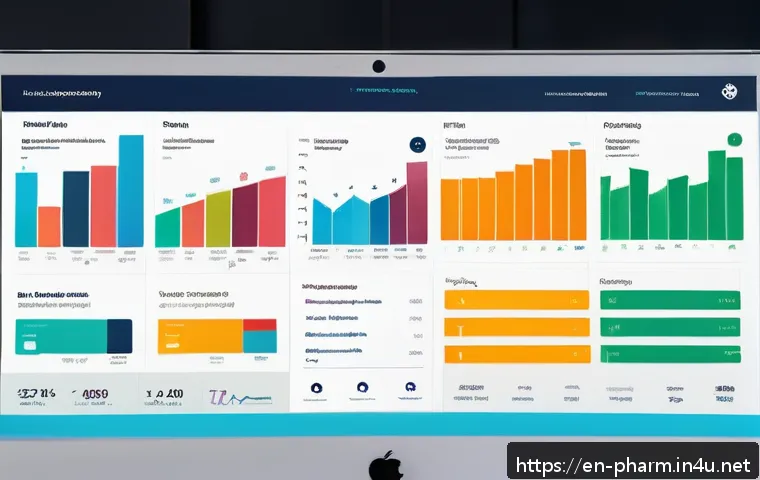
This is where data visualization and reporting become absolutely crucial. Imagine staring at spreadsheets full of numbers versus seeing a clear, intuitive dashboard that highlights critical trends, potential risks, and areas for improvement at a glance.
It’s night and day, right? My philosophy has always been that complex information should be presented in the simplest, most impactful way possible. This isn’t just about making things look pretty; it’s about enabling quick, informed decision-making in a fast-paced environment.
A well-designed reporting system can literally save lives by flagging critical alerts instantly, or save money by pinpointing inventory inefficiencies.
It truly bridges the gap between raw data and real-world application.
Designing Intuitive Dashboards for Pharmacists
Pharmacists are busy professionals, so any dashboard they use needs to be incredibly user-friendly and highly relevant to their workflow. We’re not talking about a generic business intelligence tool here; we need something tailored specifically to pharmacy operations.
Key performance indicators (KPIs) like refill rates, patient adherence percentages, common drug interactions, and even projected stock levels should be prominently displayed.
I’ve found that customizable dashboards work best, allowing individual pharmacists or pharmacy managers to arrange information according to their immediate needs.
Interactive elements, like drill-down capabilities to explore specific patient cases or medication classes, can further enhance usability. The goal is to provide a “single pane of glass” view that consolidates all essential information, eliminating the need to jump between multiple systems.
It’s about putting crucial insights directly at their fingertips, empowering them to quickly grasp complex situations.
Actionable Reports for Clinical and Operational Excellence
Beyond real-time dashboards, a robust data analysis system must generate comprehensive reports that support both clinical and operational decision-making.
Clinically, these reports could identify patient cohorts at high risk for specific conditions, track the effectiveness of medication therapy management programs, or flag potential prescribing errors across an entire patient base.
Operationally, reports might focus on inventory optimization, staffing efficiencies, or even the financial impact of different formulary decisions. From my personal perspective, these reports are where the long-term strategic value of the system truly shines.
They provide the evidence needed to refine protocols, implement new services, and continuously improve patient care delivery. They transform anecdotes into verifiable facts, enabling data-driven conversations with healthcare providers and administrators.
It’s about leveraging data to push the boundaries of what a pharmacy can achieve.
Navigating the Digital Pharmacy Landscape: Challenges and Solutions
Stepping into the world of digital data systems for pharmacies isn’t without its hurdles, and believe me, I’ve seen a few of them myself. It’s like embarking on a long journey; you need to anticipate the bumps in the road to ensure a smooth trip.
We’re dealing with incredibly sensitive patient information, which immediately brings up a host of concerns around privacy, security, and regulatory compliance.
Then there’s the human element – getting everyone on board with new technology and ensuring they feel confident using it. It’s a complex interplay of technical expertise, regulatory understanding, and excellent change management.
But every challenge, when approached with a clear strategy, also presents an opportunity to build a stronger, more resilient system. The key is to be proactive in addressing these issues rather than waiting for them to become full-blown problems.

Ensuring Data Privacy and Security (HIPAA, GDPR, etc.)
This is non-negotiable, folks. When you’re handling patient health information (PHI), data privacy and security must be paramount. In the US, HIPAA (Health Insurance Portability and Accountability Act) is the big one, dictating strict rules for how PHI is stored, accessed, and transmitted.
Internationally, you might be looking at GDPR in Europe or similar regulations elsewhere. My experience tells me that building security into the system from the ground up, rather than as an afterthought, is absolutely critical.
This means robust encryption, access controls based on roles, regular security audits, and strict protocols for data backup and disaster recovery. Any breach can have devastating consequences, not just for patient trust but also in terms of hefty fines and legal repercussions.
Investing in top-tier cybersecurity measures isn’t just a cost; it’s an essential safeguard for your patients and your practice.
Overcoming Resistance to Change and User Adoption
New technology, no matter how beneficial, can sometimes be met with resistance. Pharmacists and pharmacy staff are incredibly busy, and introducing a new system can feel like just another thing to learn when they’re already stretched thin.
I’ve learned that effective change management is crucial here. This involves thorough training, clear communication about the system’s benefits, and involving end-users in the development process from the very beginning.
Showing them *how* this new system will make their lives easier, reduce their workload, and ultimately enhance patient care is key. Providing ongoing support, creating easily accessible user guides, and having champions within the team who can advocate for the new system can significantly boost adoption rates.
It’s about empathy and understanding their daily struggles, then demonstrating how technology can be a powerful ally.
Real-World Impact: How Pharmacists Benefit Today
It’s easy to talk about theoretical benefits, but what does all this data analysis actually mean for a pharmacist on a busy Tuesday morning? Well, from my vantage point, it translates into tangible improvements that ripple through every aspect of their day.
We’re seeing pharmacists move beyond simply filling prescriptions to becoming true clinical experts, empowered by real-time insights. The data isn’t just sitting there; it’s actively working for them, providing immediate value and improving the quality of care they can deliver.
It’s not an overnight transformation, of course, but the consistent application of data analytics fundamentally changes the landscape of pharmacy practice.
It makes their work more impactful, more efficient, and ultimately, more rewarding.
Enhanced Patient Safety and Outcomes
This is, without a doubt, the most significant benefit. Imagine a system that instantly flags a potential drug-drug interaction with a patient’s existing medications, or highlights a dosage that’s outside the standard range for their age and kidney function.
These aren’t just minor conveniences; they are critical safeguards that prevent serious adverse events. My own observations have shown that such systems dramatically reduce medication errors, which, let’s face it, are a persistent challenge in healthcare.
Beyond preventing errors, these systems can also identify patients who are likely to struggle with medication adherence, allowing pharmacists to intervene proactively with counseling and support.
This leads directly to better treatment outcomes, fewer hospital readmissions, and healthier communities. It truly elevates the pharmacist’s role as a frontline guardian of patient health.
Streamlined Operations and Improved Efficiency
Let’s be honest, every pharmacy aims for peak operational efficiency. A robust data analysis system helps achieve this by automating many routine tasks and providing insights into workflow bottlenecks.
For example, by analyzing prescription volume trends and predicting demand, the system can optimize inventory management, ensuring critical medications are always in stock while reducing waste from overstocking.
It can also help optimize staffing schedules based on historical patient flow patterns, ensuring adequate coverage during peak hours. I’ve seen pharmacies drastically cut down on manual data entry and reconciliation processes, freeing up valuable staff time for patient-facing activities.
This isn’t just about saving money; it’s about creating a smoother, less stressful work environment for everyone, allowing the pharmacy to serve more patients with the same resources.
The Future is Now: Scaling Your Data System
Once you’ve successfully built and implemented your initial data analysis system, the journey isn’t over—it’s just beginning! The real magic happens when you start thinking about how to scale and evolve this powerful tool to meet future demands and integrate even more cutting-edge technologies.
The healthcare landscape is constantly shifting, and your data system needs to be flexible enough to adapt. From my perspective, thinking long-term about scalability and continuous improvement is what separates a good system from a truly transformative one.
It’s about building a foundation that can grow with your pharmacy, embracing new data streams and analytical capabilities as they emerge.
Integrating AI and Machine Learning for Deeper Insights
This is where things get really exciting! While initial systems might focus on descriptive and diagnostic analytics, the future undoubtedly lies in predictive and prescriptive AI.
Imagine an AI that can not only identify patients at risk for chronic disease progression but also suggest personalized medication regimens based on their genetic profile and lifestyle data.
Or a machine learning model that optimizes drug compounding processes for specific patient needs. I believe that integrating these advanced capabilities will unlock unprecedented levels of personalized medicine and operational intelligence.
The potential for AI to learn from vast datasets, identify subtle patterns, and provide highly accurate predictions is simply mind-blowing. It’s about moving beyond human limitations in data processing and leveraging computational power to discover insights that would otherwise remain hidden.
Ensuring System Scalability and Future-Proofing
When you design your data system, always keep scalability in mind. What happens when your patient volume doubles? What if you want to integrate data from multiple pharmacy locations or even a hospital network?
Building with cloud-native architectures, using modular components, and employing flexible database solutions are key strategies here. My experience has taught me that trying to retrofit scalability into a rigid system later down the line is far more difficult and costly than planning for it from the start.
Furthermore, future-proofing involves keeping an eye on emerging technologies and industry standards. This means staying updated on new data privacy regulations, advancements in data security, and evolving analytical methodologies.
It’s about creating a living, breathing system that can grow and adapt, ensuring your pharmacy remains at the forefront of innovation for years to come.
| Feature | Traditional Pharmacy Data Handling | Data-Driven Pharmacy System |
|---|---|---|
| Data Accessibility | Fragmented across multiple systems (EHR, PMS, paper records), often requiring manual searches and cross-referencing. Data silos are common. | Centralized, integrated data from all sources, accessible via intuitive dashboards and reports. Real-time access to comprehensive patient and drug information. |
| Medication Error Prevention | Primarily relies on pharmacist’s manual checks, experience, and limited automated warnings from basic PMS. Human error risk is higher. | Automated checks for drug-drug interactions, contraindications, allergies, and dosage alerts using advanced algorithms. Significantly reduces human error. |
| Patient Adherence Monitoring | Largely reactive; identified through missed refills or patient reporting. Limited proactive intervention. | Proactive identification of at-risk patients based on refill history and predictive analytics. Enables targeted pharmacist intervention and support. |
| Inventory Management | Manual tracking, basic reorder points, often leading to overstocking or stock-outs based on rough estimates. | Optimized inventory based on predictive demand forecasting, real-time sales data, and seasonal trends. Minimizes waste and ensures critical stock availability. |
| Clinical Insights | Limited to individual patient interactions and general professional knowledge. Difficult to identify population-level trends. | Generates insights into population health trends, identifies patient cohorts for specific interventions, and tracks clinical program effectiveness. |
글을 마치며
It’s truly incredible to witness how data analytics is reshaping the pharmacy landscape, moving us toward a future where efficiency, safety, and personalized patient care are not just aspirations but achievable realities.
From my own experiences diving deep into these systems, I’ve seen firsthand the transformative power they hold. It’s about equipping pharmacists with the insights they need to make profound impacts, fostering a healthcare environment that’s not only smarter but also more compassionate.
Embracing these technological advancements isn’t just about keeping up; it’s about leading the way in patient wellness.
알아두면 쓸모 있는 정보
1. Start with a clear goal: Don’t try to solve every problem at once. Identify one or two key areas, like medication adherence or inventory, where data can make the biggest immediate impact. Focus on those first to build momentum and demonstrate value.
2. Prioritize data security and privacy from day one: This isn’t just a regulatory checkbox; it’s the foundation of trust with your patients. Invest in robust encryption, access controls, and regular audits to protect sensitive health information.
3. Involve your team throughout the process: User adoption hinges on understanding and buy-in. Provide thorough training, address concerns openly, and highlight how the new system will genuinely make their jobs easier and more fulfilling.
4. Seek actionable insights, not just raw data: The goal isn’t to collect mountains of information, but to transform it into practical intelligence that guides better decision-making for both clinical and operational improvements.
5. Embrace cloud-based solutions for scalability: As your pharmacy grows and technology evolves, a flexible, cloud-native architecture will ensure your data system can easily expand and integrate new features without costly overhauls.
중요 사항 정리
The journey to a data-driven pharmacy is fundamentally about empowering pharmacists to deliver exceptional care with unparalleled efficiency and safety.
By meticulously integrating diverse data sources, leveraging advanced analytical tools, and presenting insights through intuitive visualizations, pharmacies can proactively enhance patient outcomes.
Overcoming challenges related to privacy and user adoption through diligent planning and support ensures a smooth transition. Ultimately, embracing data analytics is about future-proofing your practice, fostering innovation, and securing your role at the forefront of healthcare.
Frequently Asked Questions (FAQ) 📖
Q: How exactly can
A: I and machine learning revolutionize a pharmacist’s daily routine and truly boost patient safety? A1: From what I’ve personally seen and experienced in the healthcare space, AI and machine learning aren’t just buzzwords; they’re genuine game-changers for our pharmacy heroes.
Imagine a system that instantly sifts through millions of drug interactions, patient allergies, and even complex genetic profiles in a blink, flagging potential risks that might take a human hours to catch.
I’m talking about things like alerting a pharmacist if a new prescription could dangerously interact with an over-the-counter supplement a patient forgot to mention, or even identifying patients at high risk for medication non-adherence based on their history.
This kind of predictive analysis is a massive leap forward. Beyond safety, it frees up so much of a pharmacist’s valuable time. Instead of spending hours on repetitive data entry or cross-referencing, they can dedicate more energy to what truly matters: direct patient consultations, offering personalized advice, and building those crucial relationships that foster trust and better health outcomes.
It’s like having an incredibly intelligent, tireless assistant working alongside them, making their already demanding job safer and more efficient for everyone involved.
Q: What are some of the biggest hurdles we’re facing right now in actually getting these advanced data analysis systems into real-world pharmacies?
A: That’s a fantastic question, and one I grapple with a lot! While the potential is sky-high, bringing these sophisticated AI and machine learning systems into everyday pharmacy practice isn’t without its challenges.
The first thing that comes to mind is often the sheer complexity of integrating new technology with existing, sometimes decades-old, pharmacy management systems.
It’s not just plugging in a new app; it requires careful interoperability to ensure everything talks to each other seamlessly, from electronic health records to dispensing robots.
Then there’s the data itself – ensuring its quality, privacy, and security is paramount. We’re dealing with incredibly sensitive patient information, so robust cybersecurity and strict adherence to regulations like HIPAA here in the US are non-negotiable.
Another significant hurdle is the human element. Change can be tough, and training pharmacists and their teams to confidently use these new tools, understanding their outputs, and trusting their recommendations takes time, resources, and a supportive environment.
I’ve personally observed that addressing concerns about job displacement, while empowering professionals to elevate their roles, is crucial for successful adoption.
It’s a journey, not a sprint, and it requires a concerted effort from tech developers, healthcare providers, and policymakers alike.
Q: For someone like me who’s excited about this future, how can I actually get involved or start making an impact in bringing
A: I to the pharmacy world? A3: If you’re feeling that spark of excitement, you’re in the right place! This field is bursting with opportunities, and anyone can contribute.
From my own journey, I’d say a great starting point is to deepen your understanding of both healthcare fundamentals and the specific technologies involved.
If you’re already in healthcare, look for online courses or certifications in data science, machine learning, or even health informatics. Platforms like Coursera, edX, or even specialized bootcamps offer fantastic entry points.
If your background is more tech-focused, try to immerse yourself in understanding pharmacy workflows, medical terminology, and patient safety protocols.
Networking is also incredibly powerful; attend industry conferences (virtual or in-person!), join professional groups focused on health tech or digital pharmacy, and connect with people on LinkedIn who are already doing amazing things in this space.
Don’t be afraid to reach out and ask for informational interviews – people are often eager to share their experiences. And if you’re really hands-on, consider volunteering for projects, contributing to open-source initiatives, or even exploring internships that bridge the gap between tech and healthcare.
Every single person who understands both sides of this coin is incredibly valuable in shaping the future of pharmacy. Go out there and make some noise!